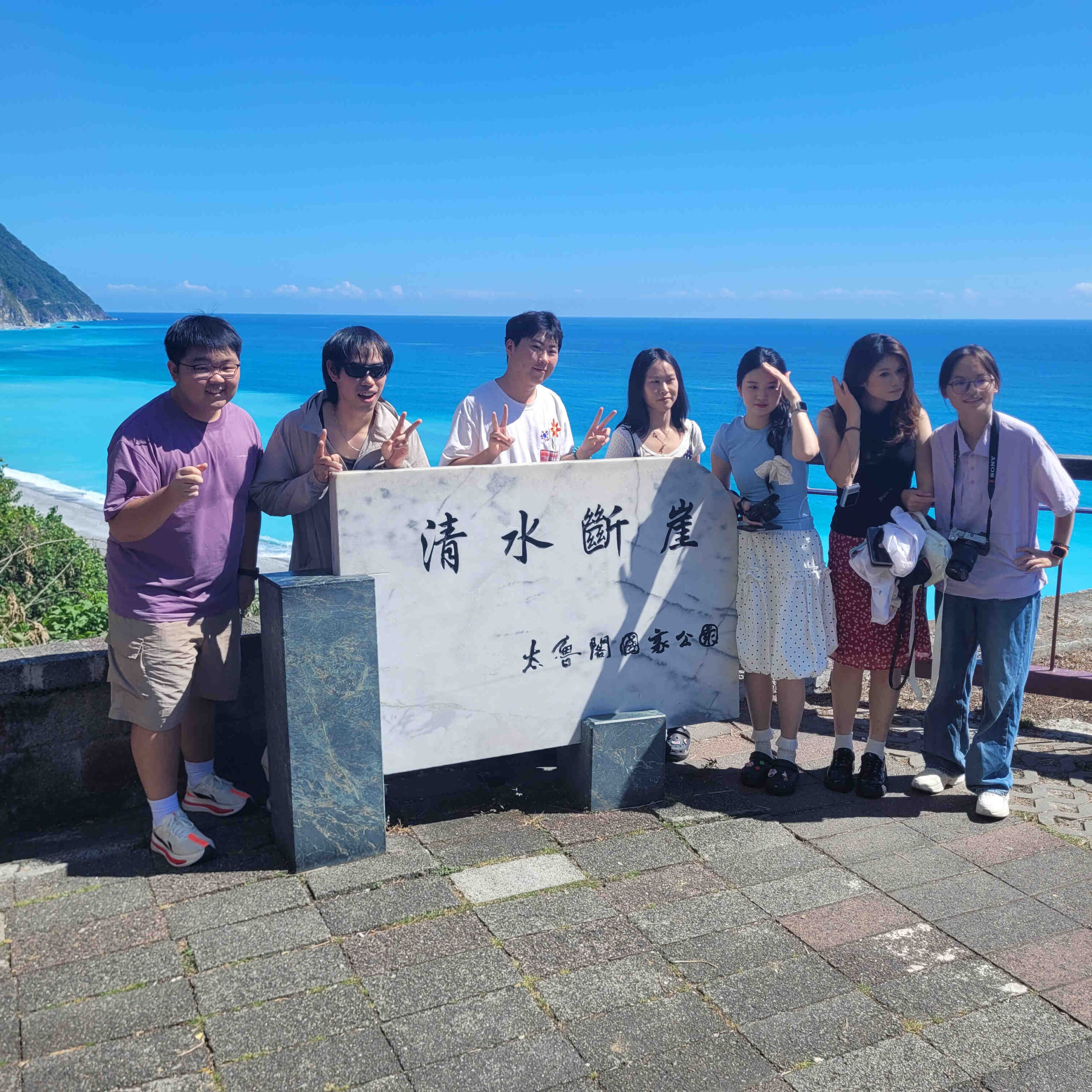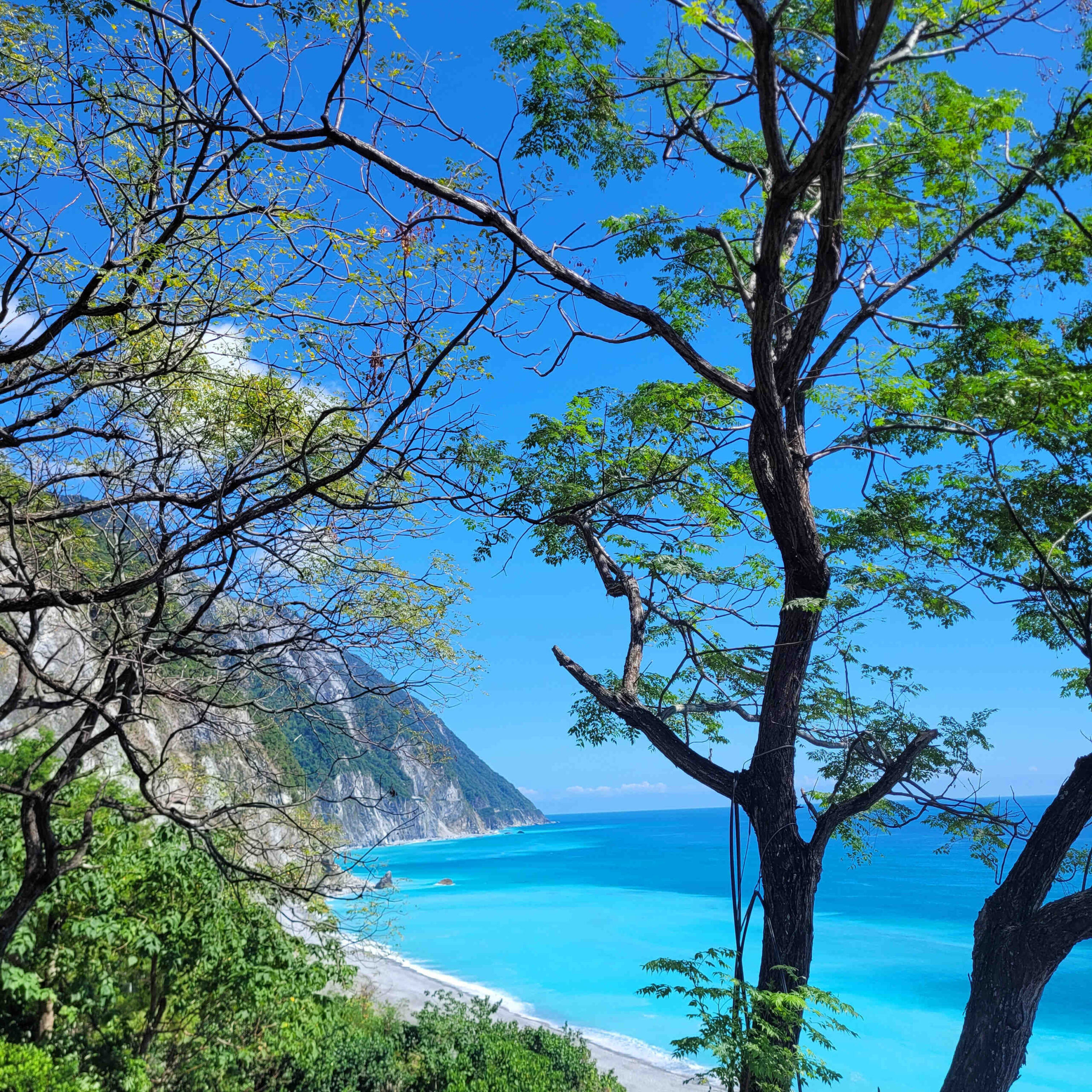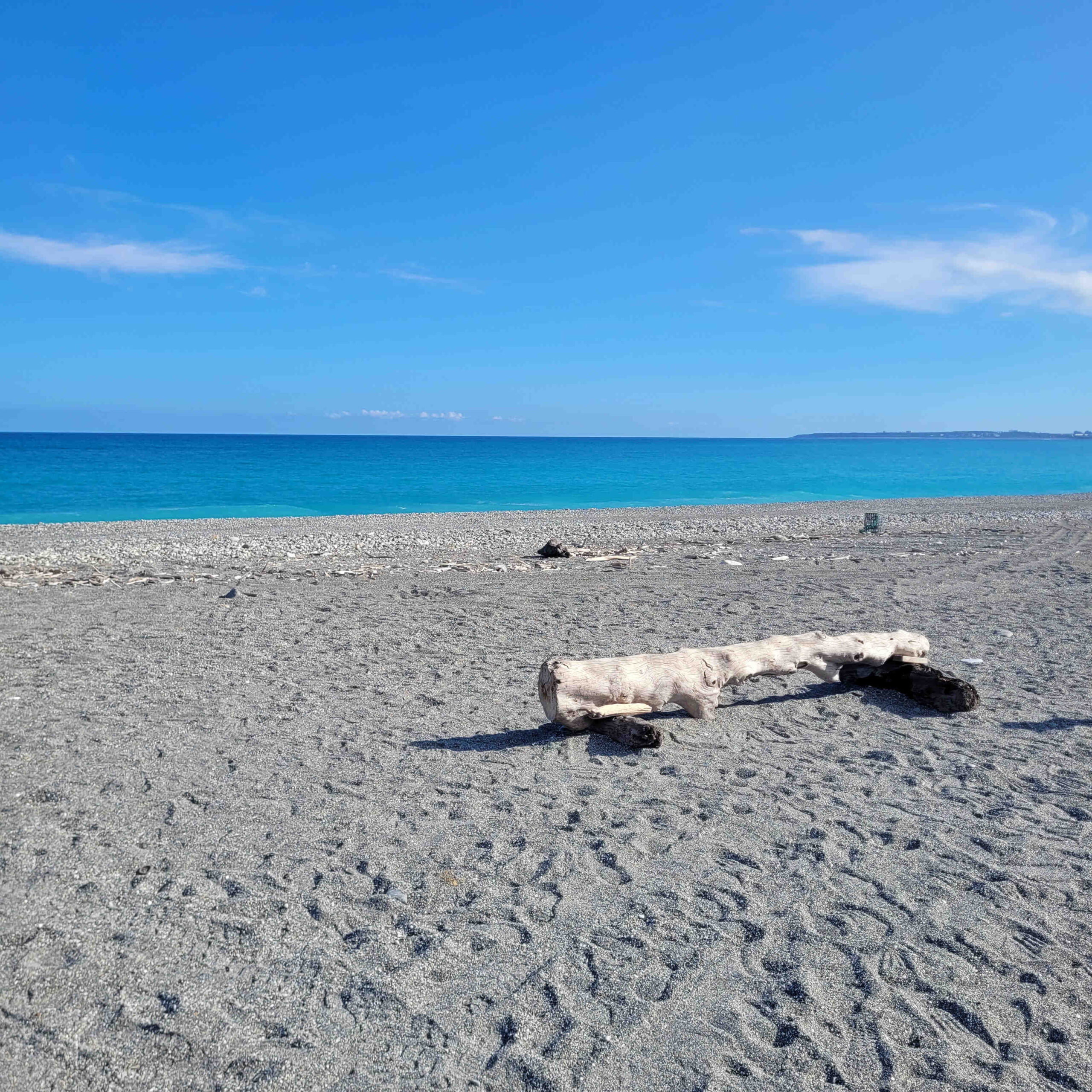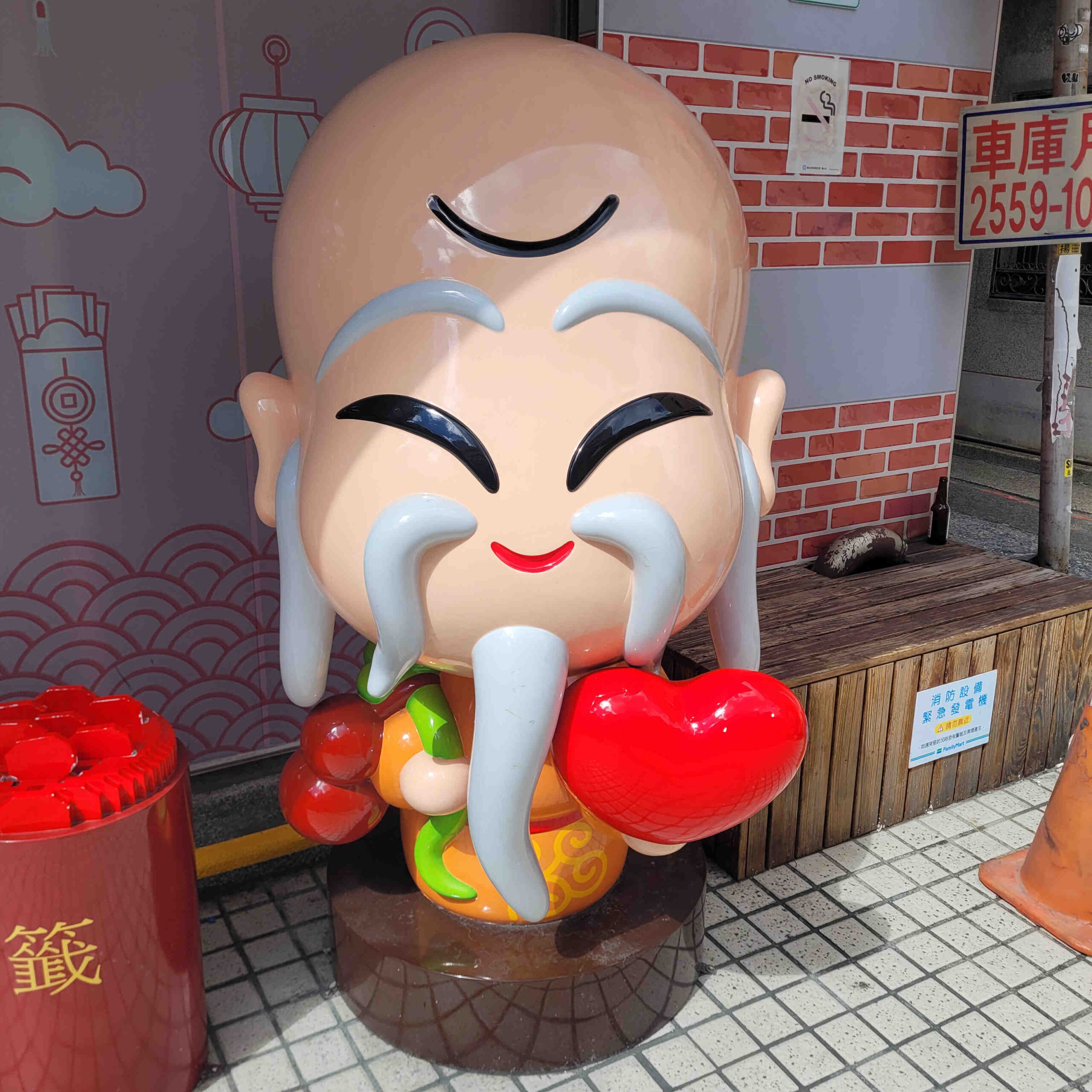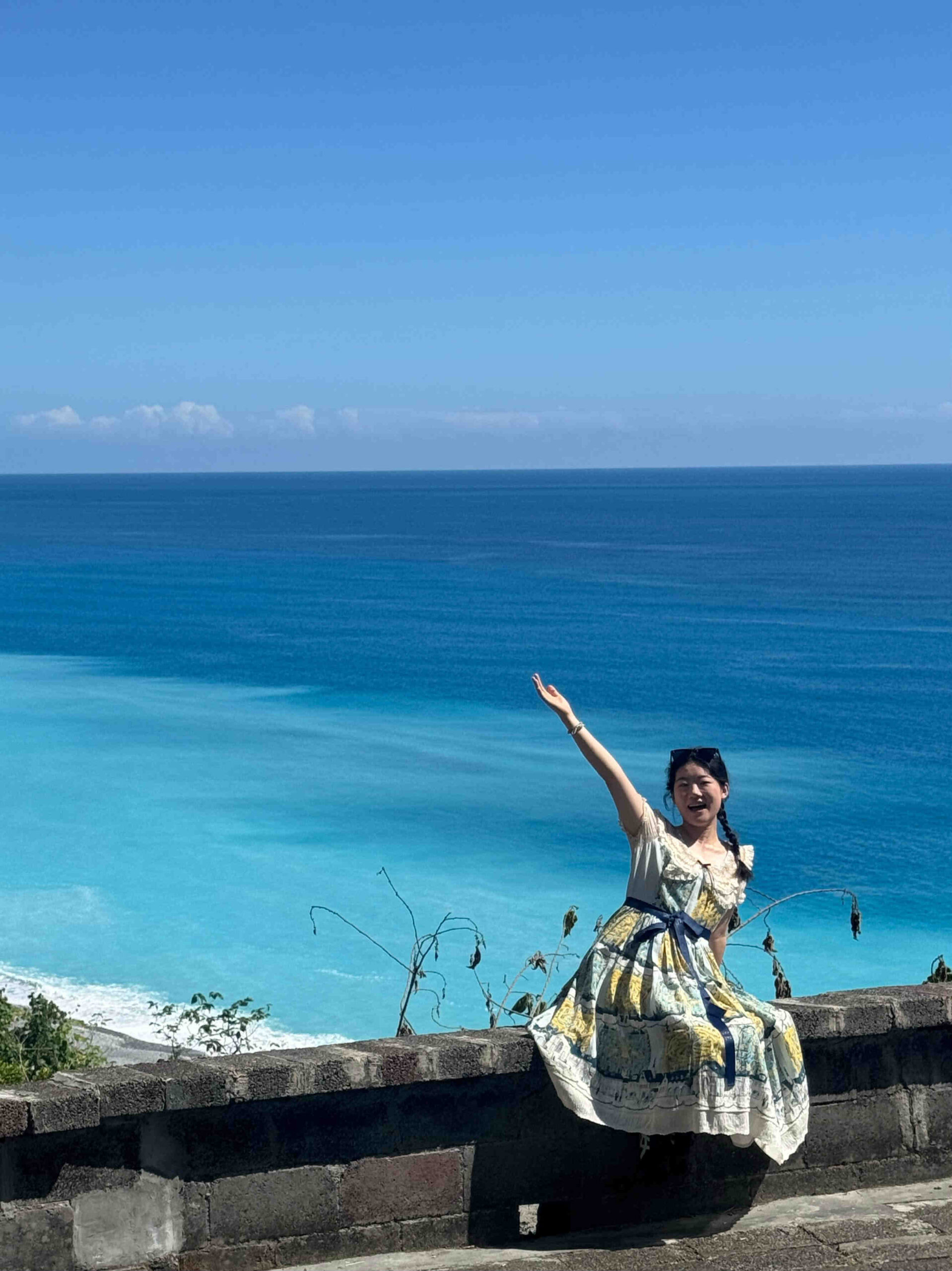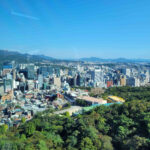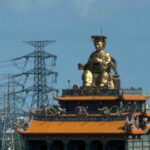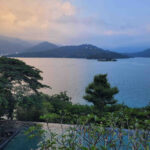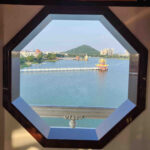
After Kaohsiung, it was time for us to head to the east coast of Taiwan. Instead of a long, tedious drive, we took the scenic coastal train from Kaohsiung’s Main Station all the way to Hualien. If we’d had more time, we would have made stops in Kenting, a beachy destination at the southern tip of the island, and Taitung, a city on the southeastern coast near the Dulan Forest. But although two weeks in Taiwan allowed us to see a lot of the country, it wasn’t nearly long enough to see everything.
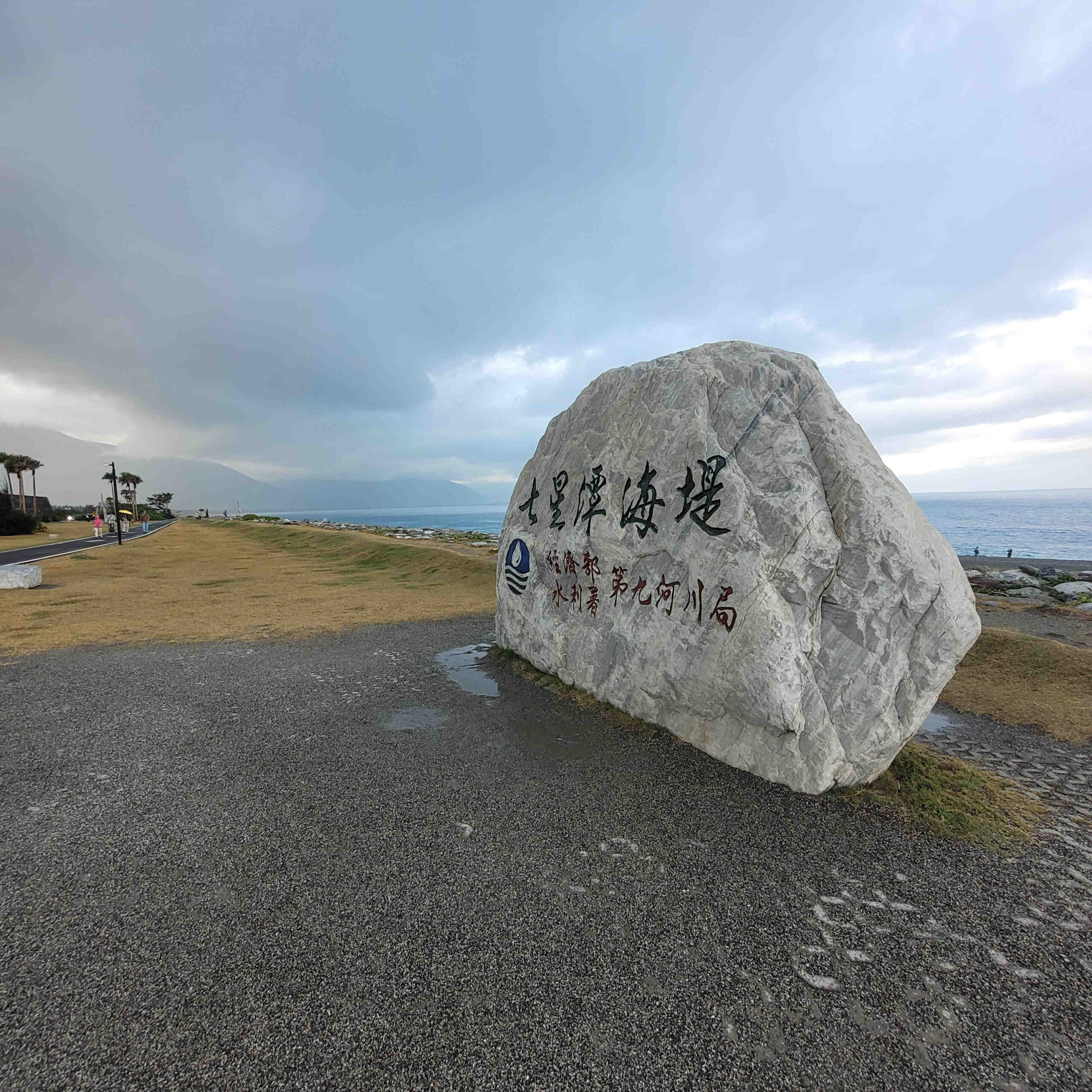
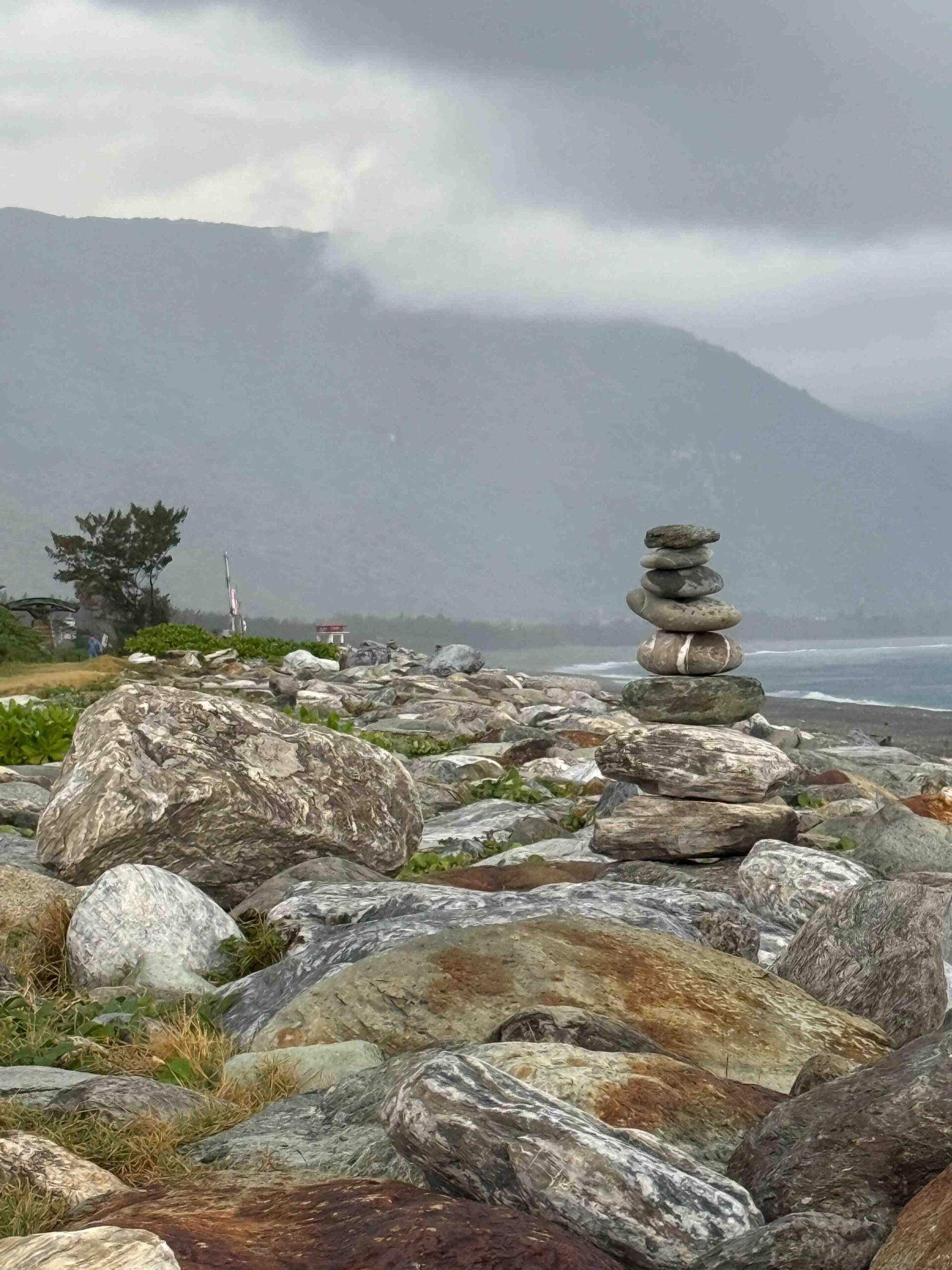
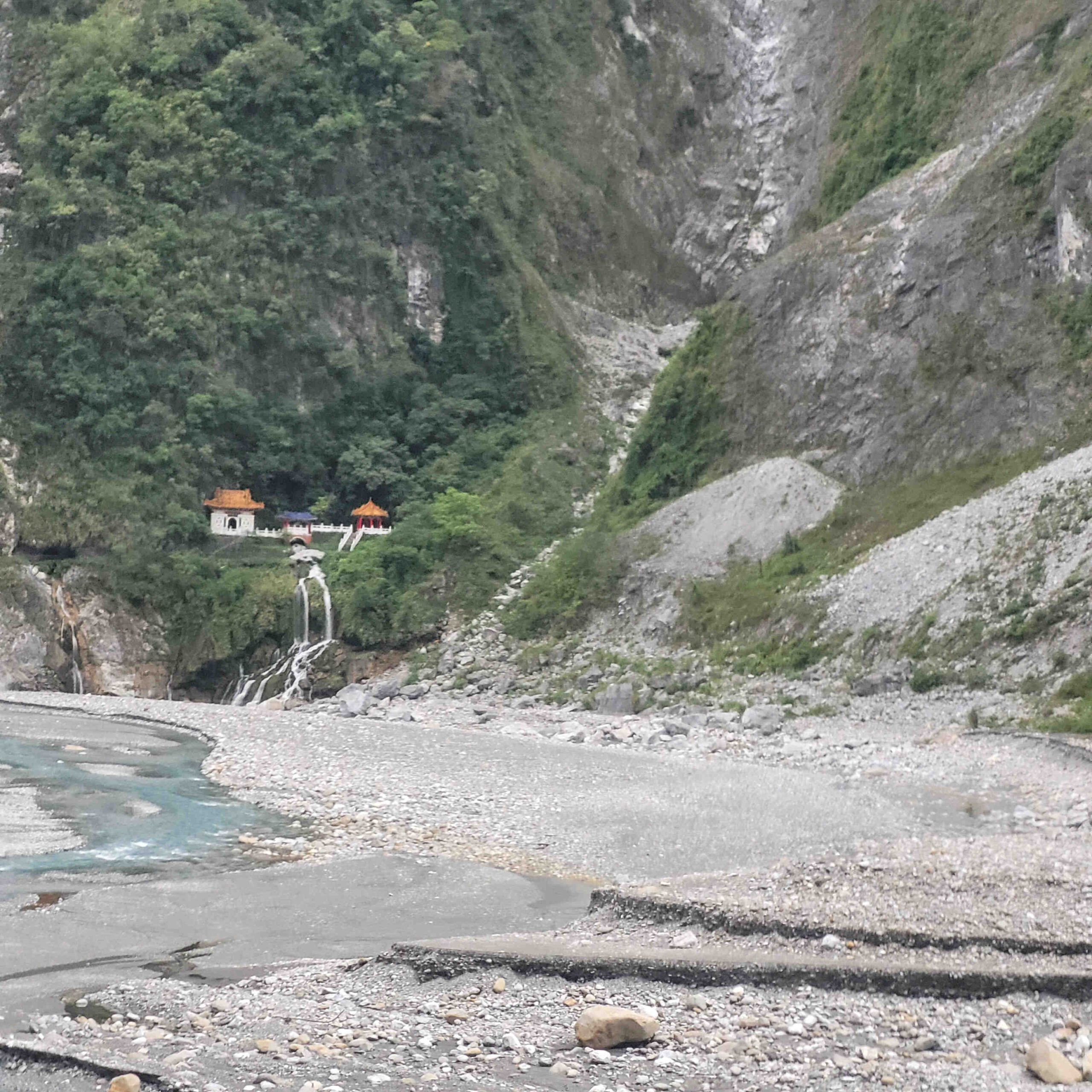
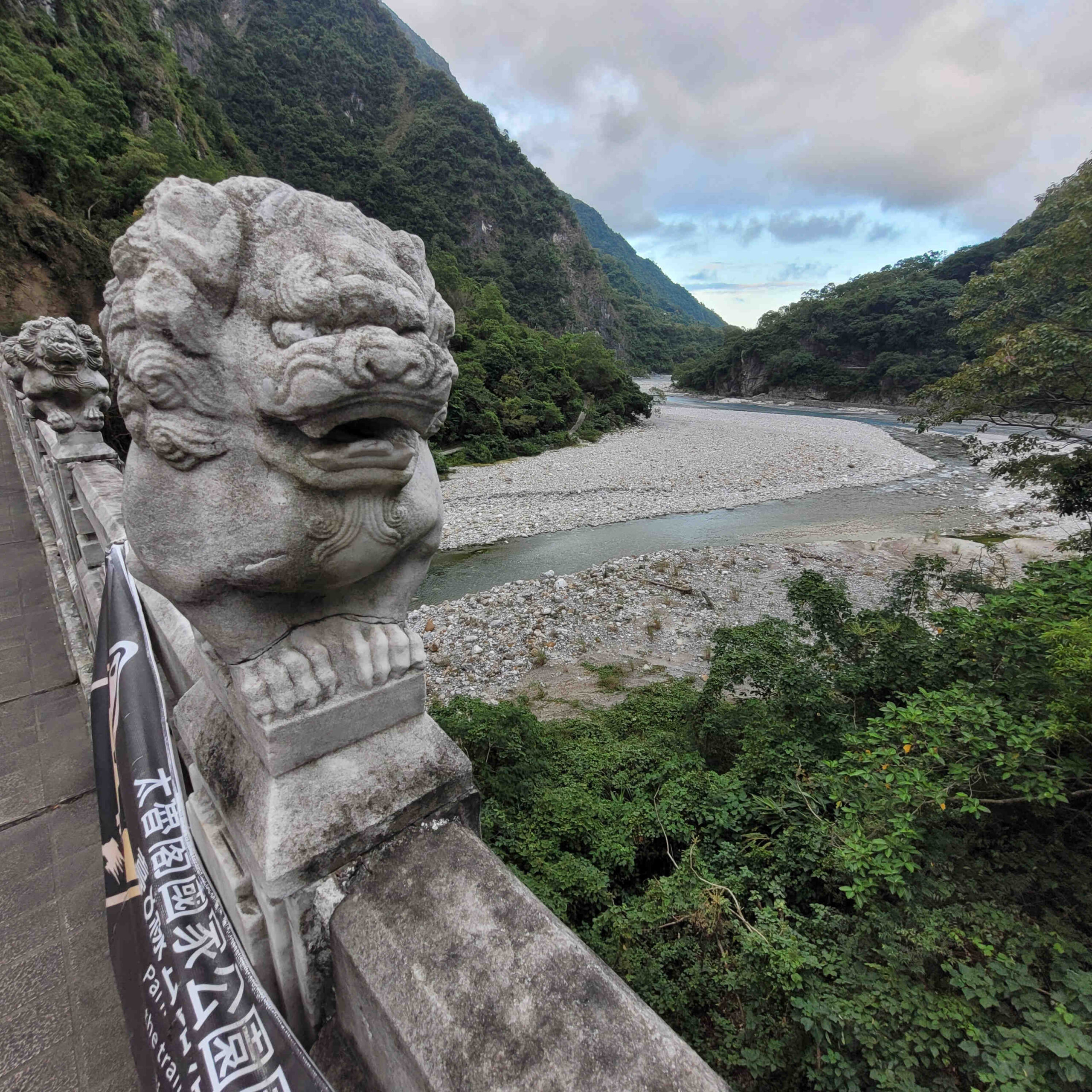
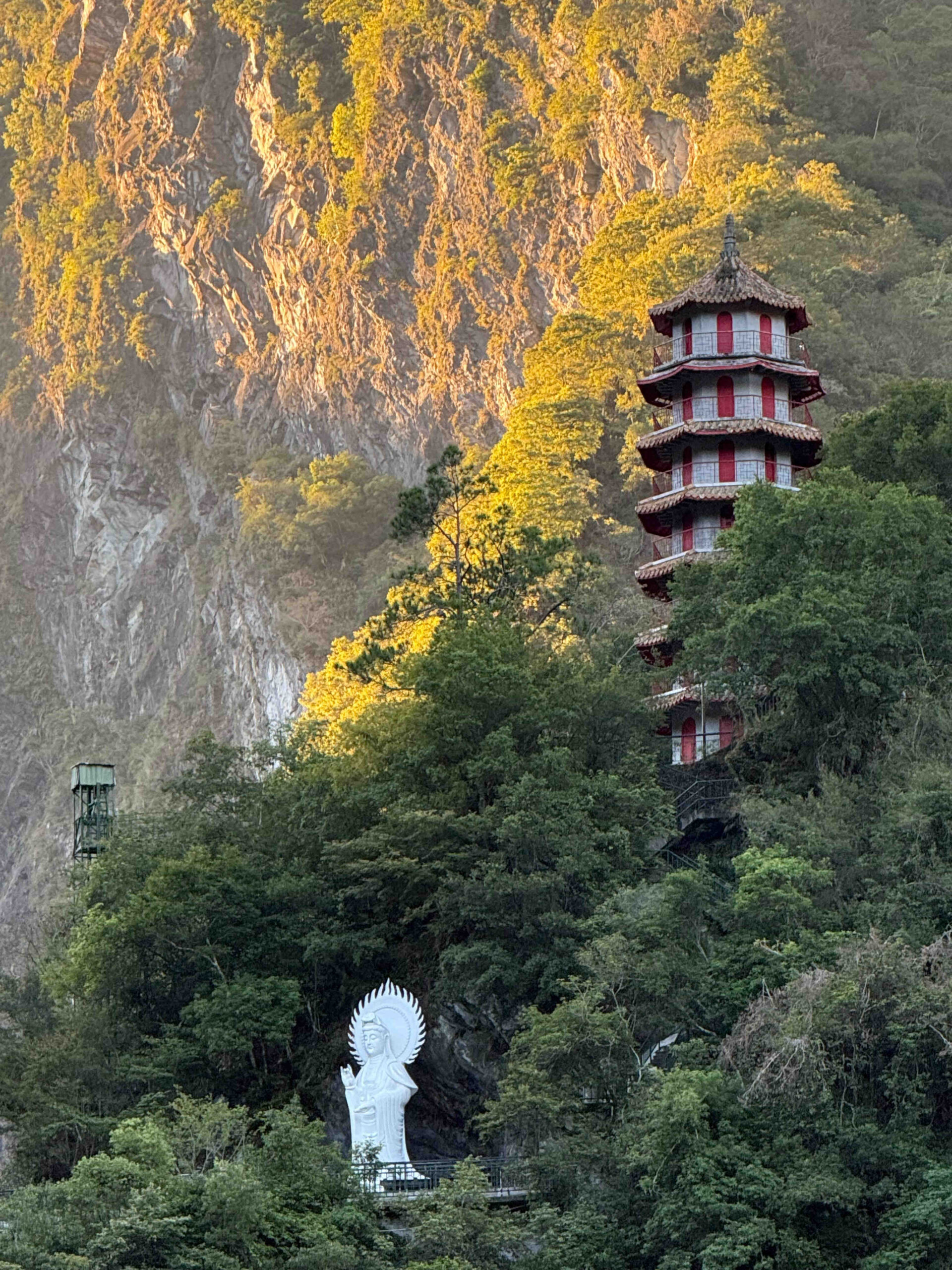
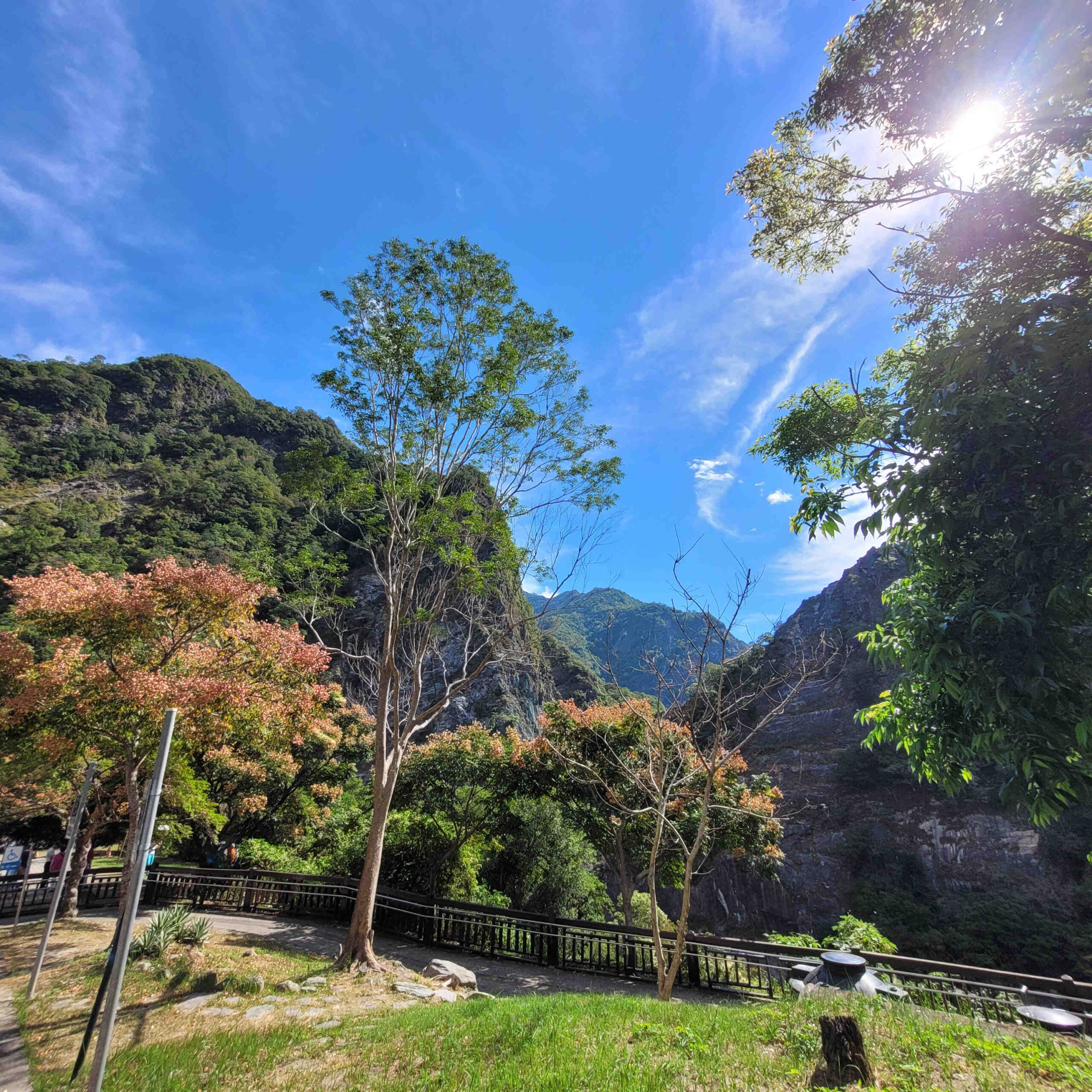
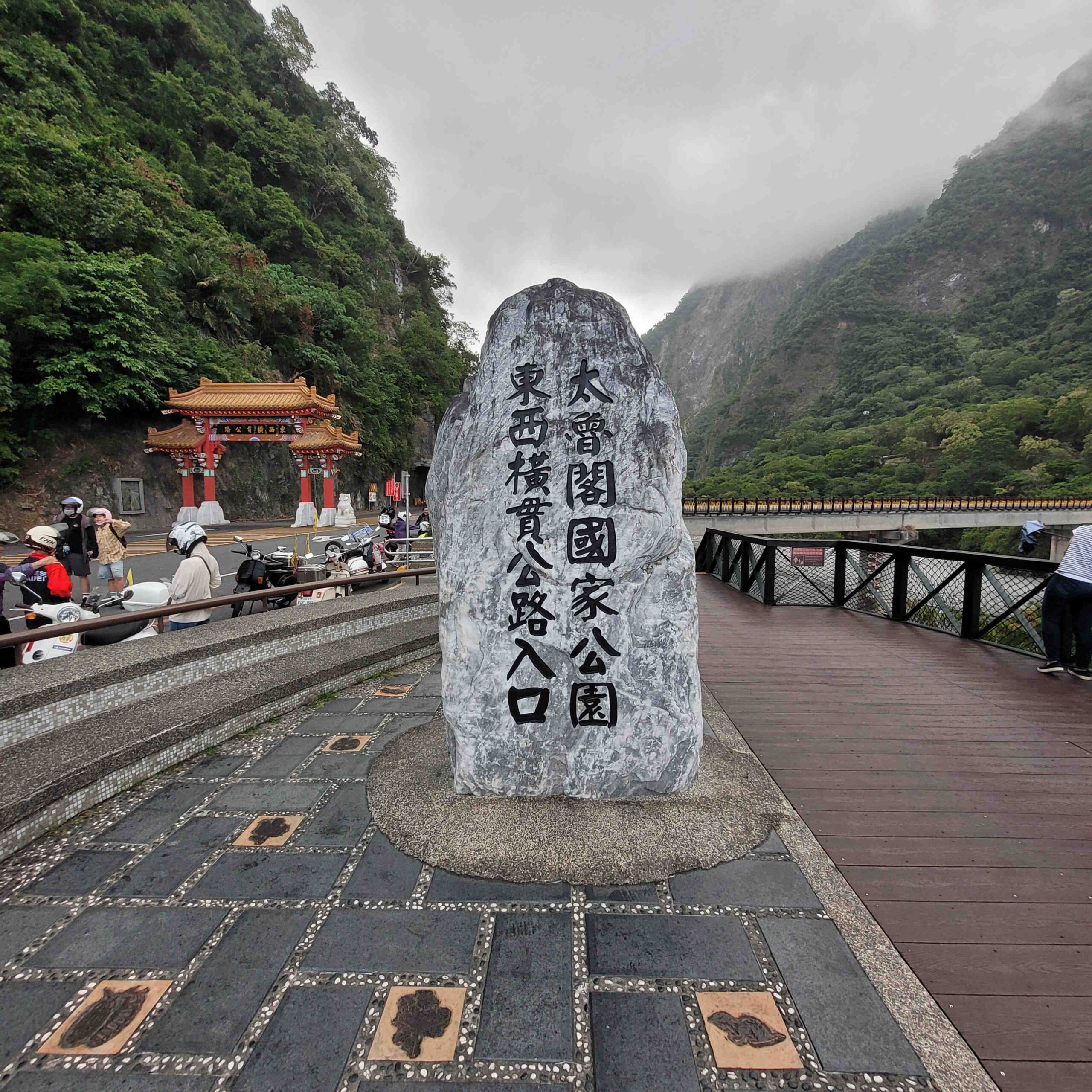
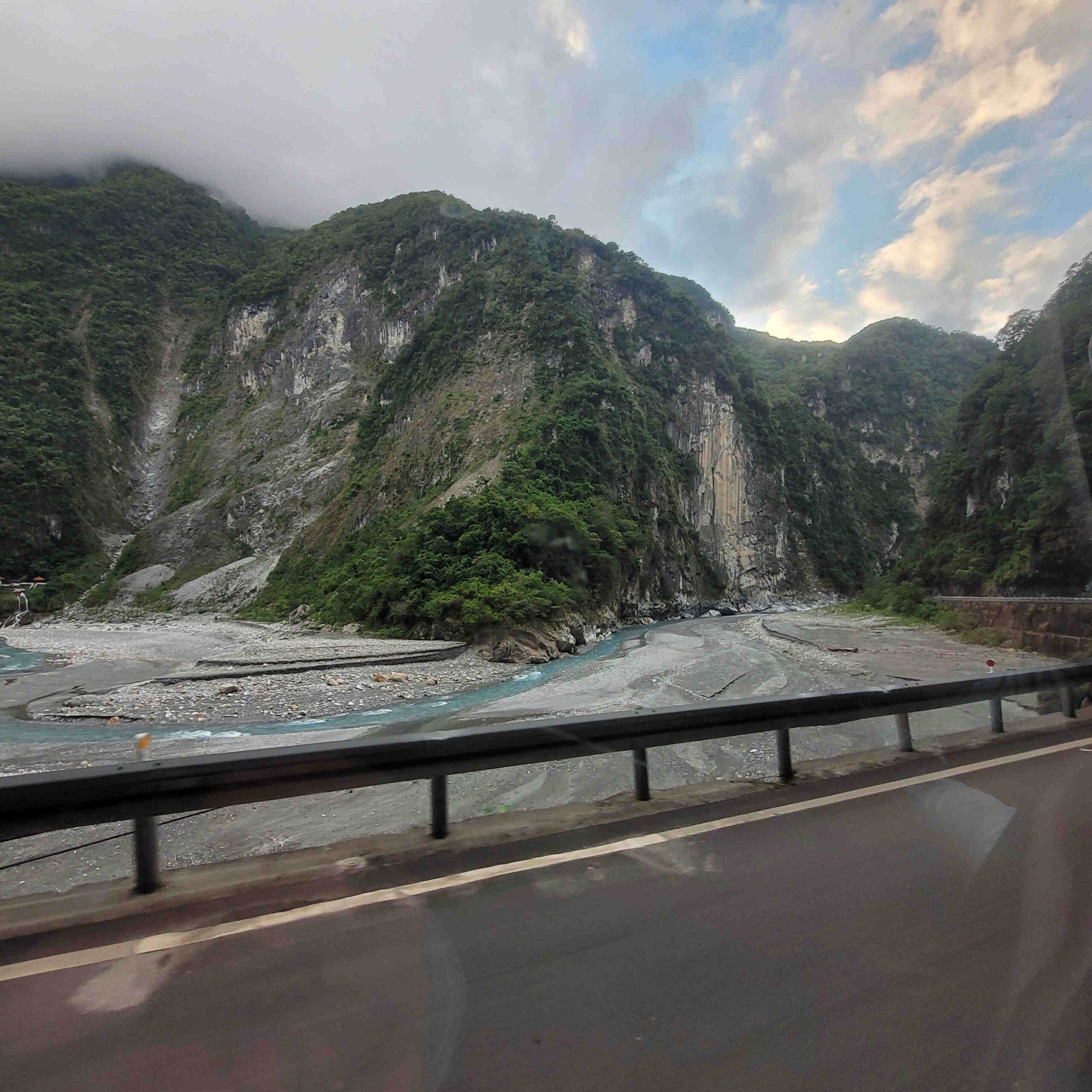
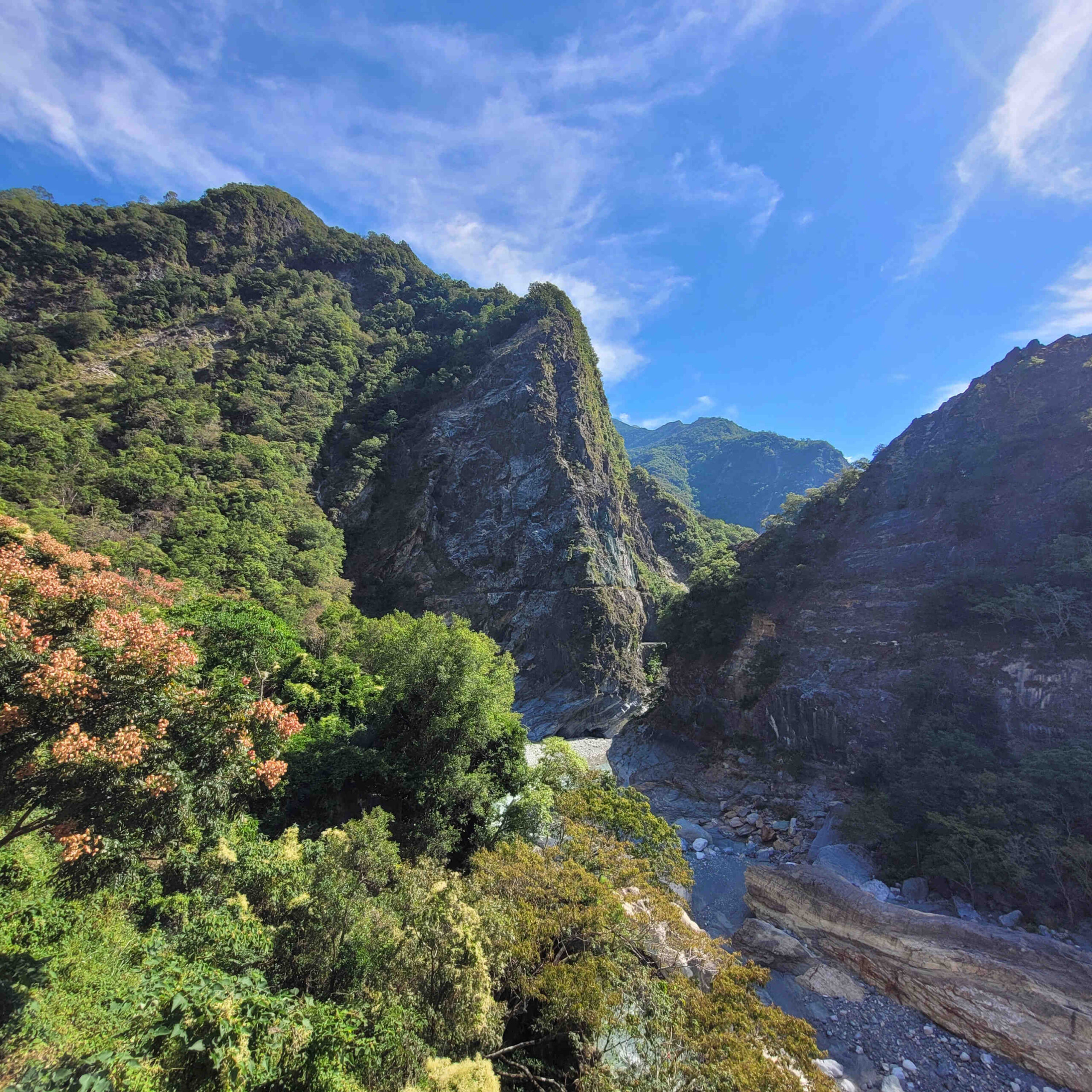
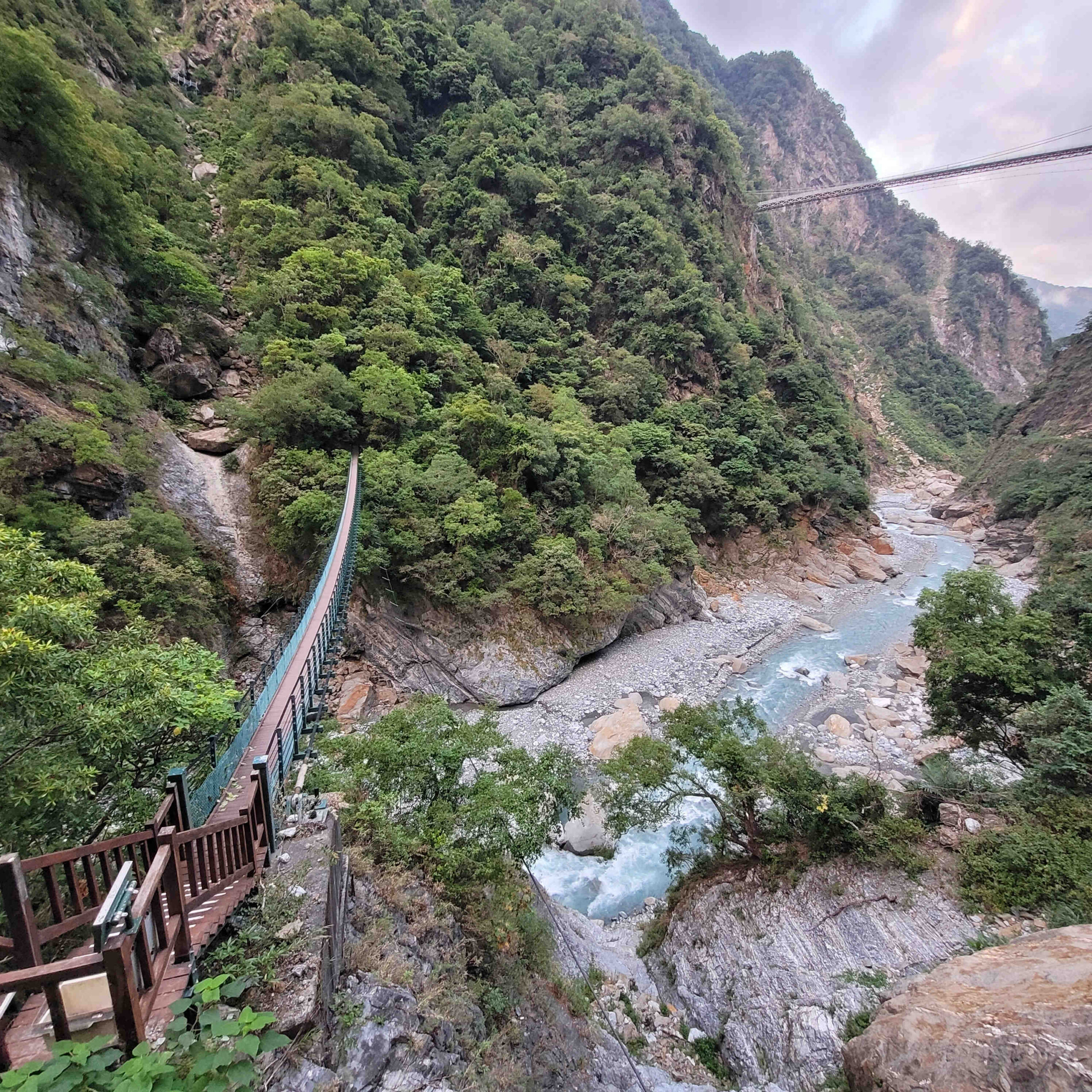
The main attraction around Hualien is Taroko National Park, home of the breathtaking Taroko Gorge. Unfortunately, most of the park has been closed since a devastating earthquake in 2024. Many of the roads and trails aren’t expected to be fully reopened until after 2030. Although we couldn’t access the best views of the gorge and other scenery, we did stay at a hotel inside the park, which gave us some great glimpses of the magnificent natural beauty Taroko has to offer.
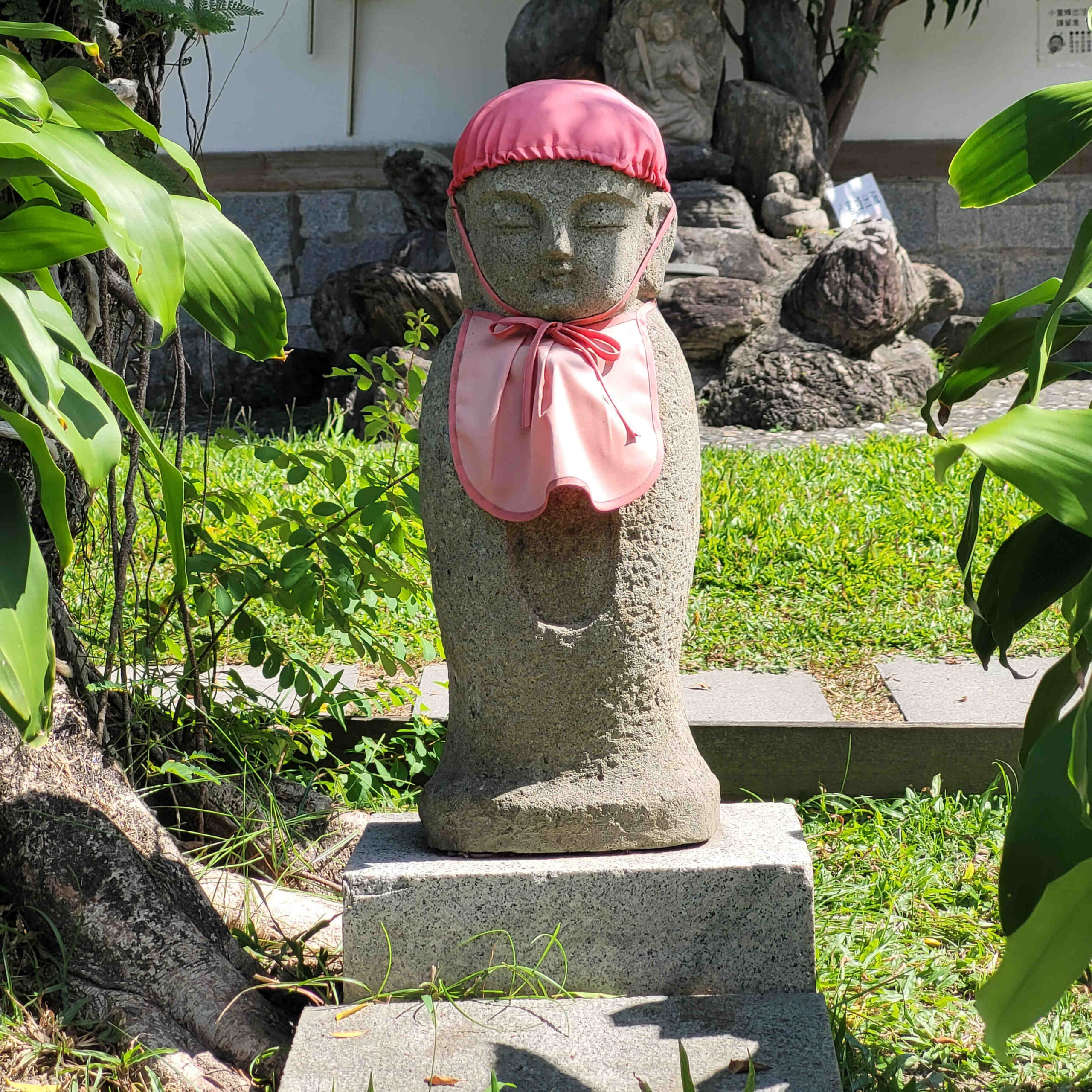
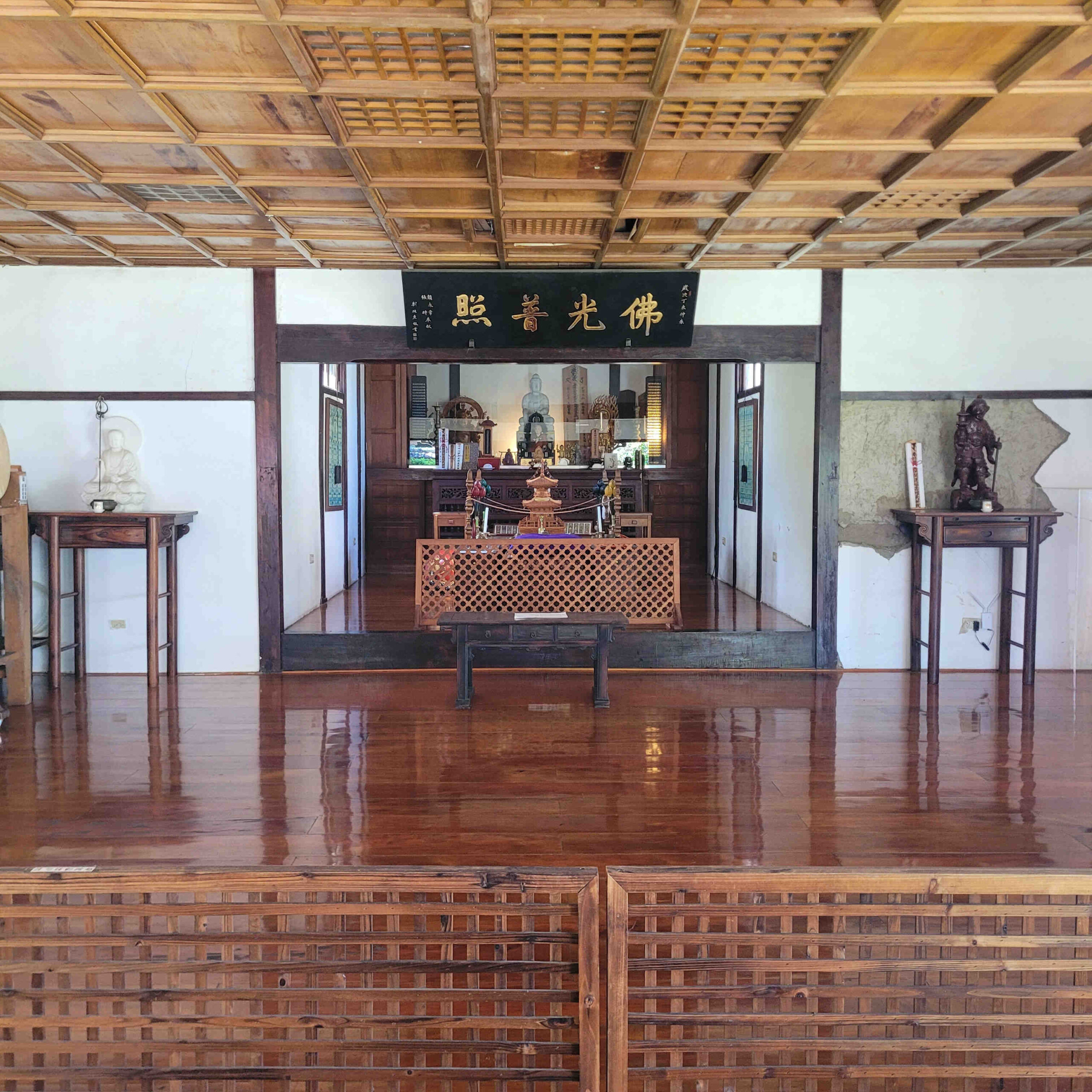
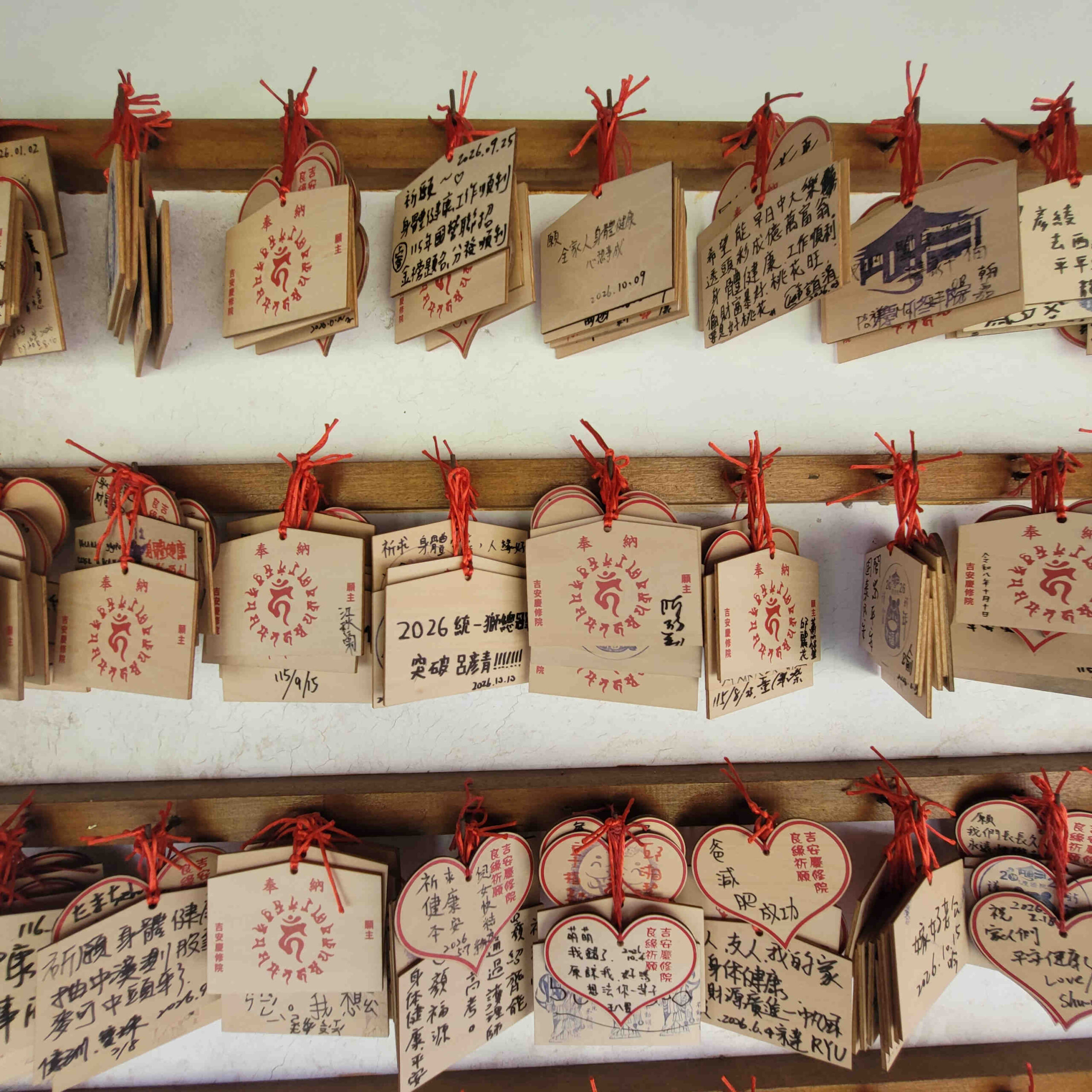
Elsewhere in Hualien, we visited Chinghisu Temple, an old Japanese temple that was spared by Chiang Kai-shek’s Nationalist Party (the KMT) after the Japanese surrendered Taiwan at the end of WWII. The temple isn’t actively in use, but it’s maintained as a kind of museum.
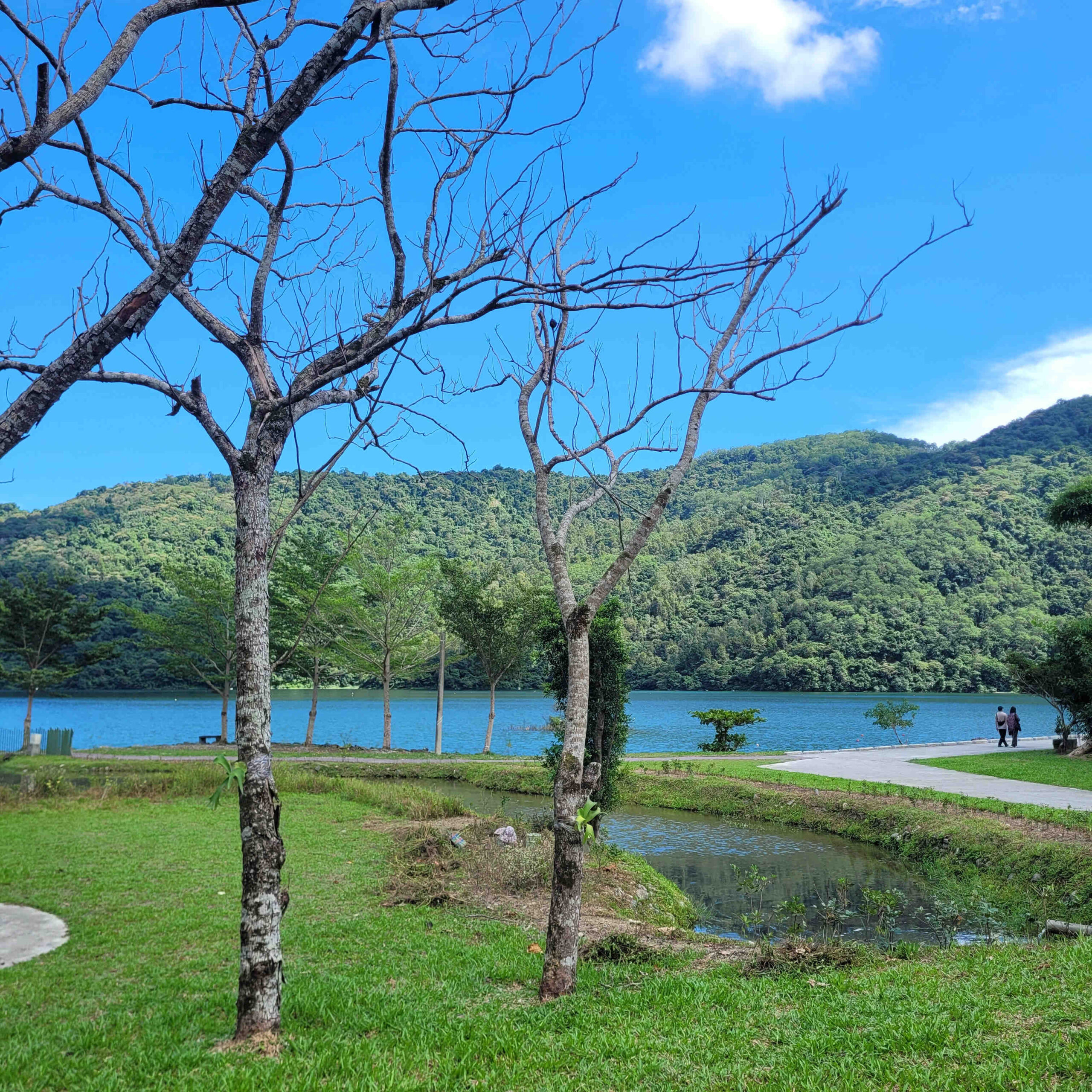
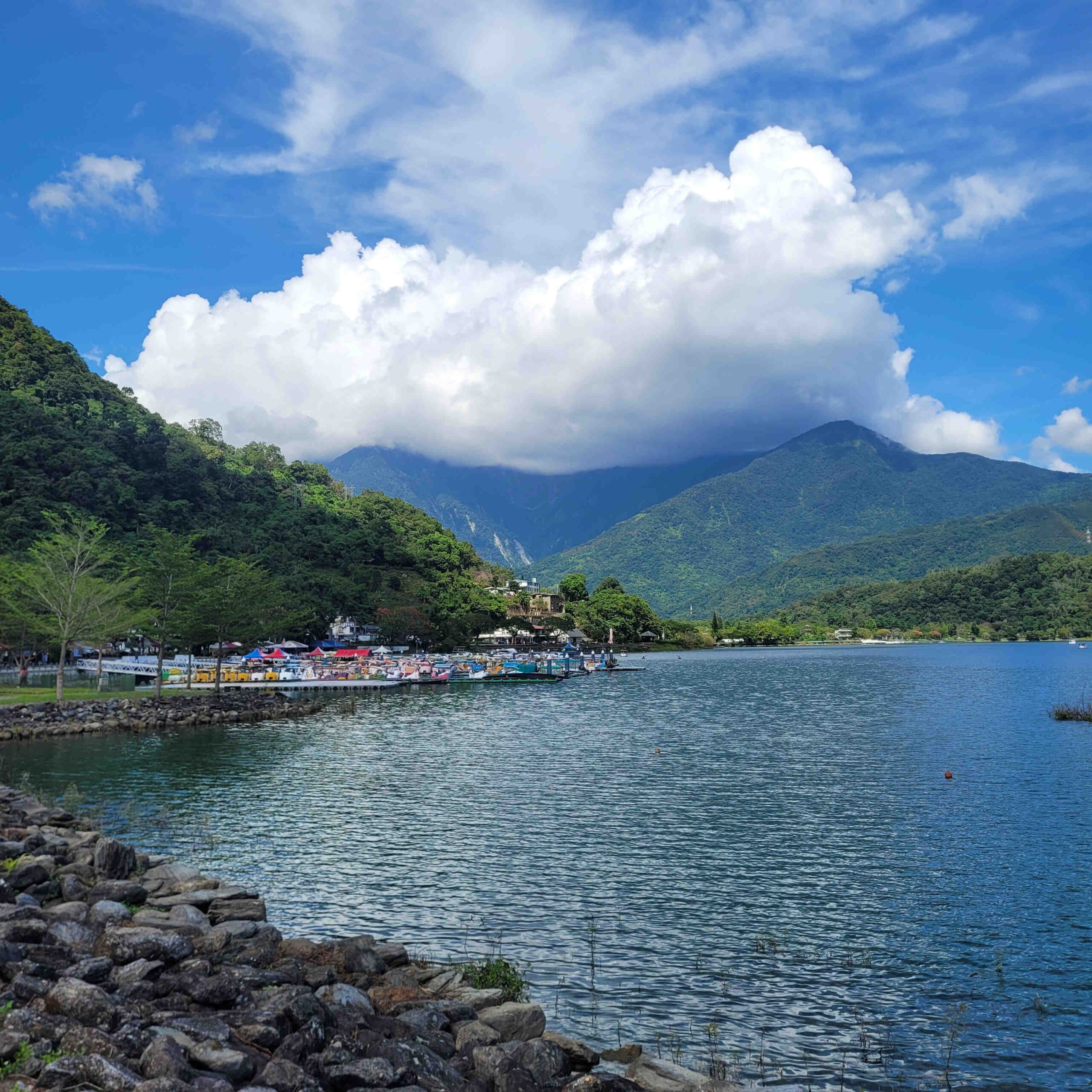
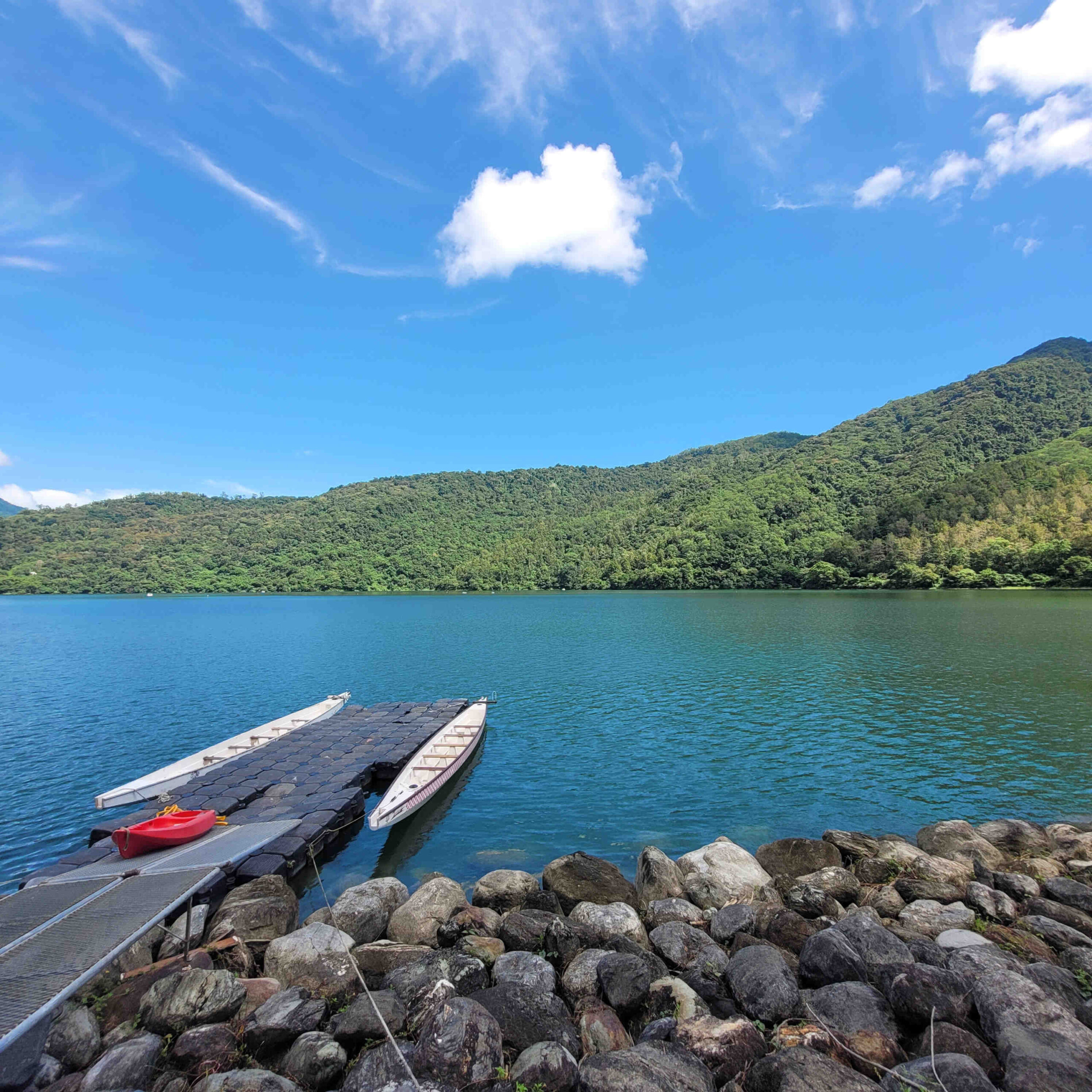
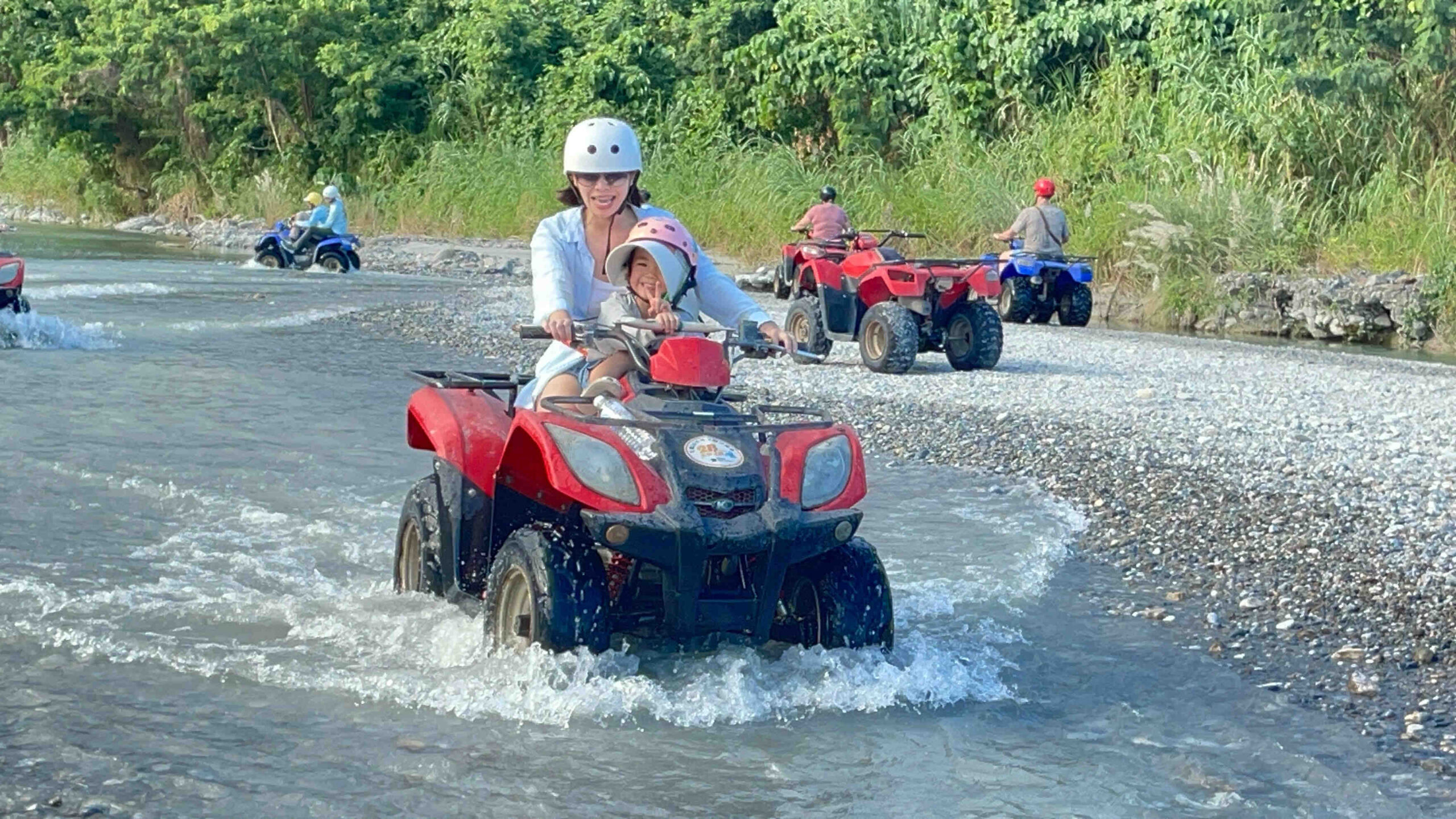
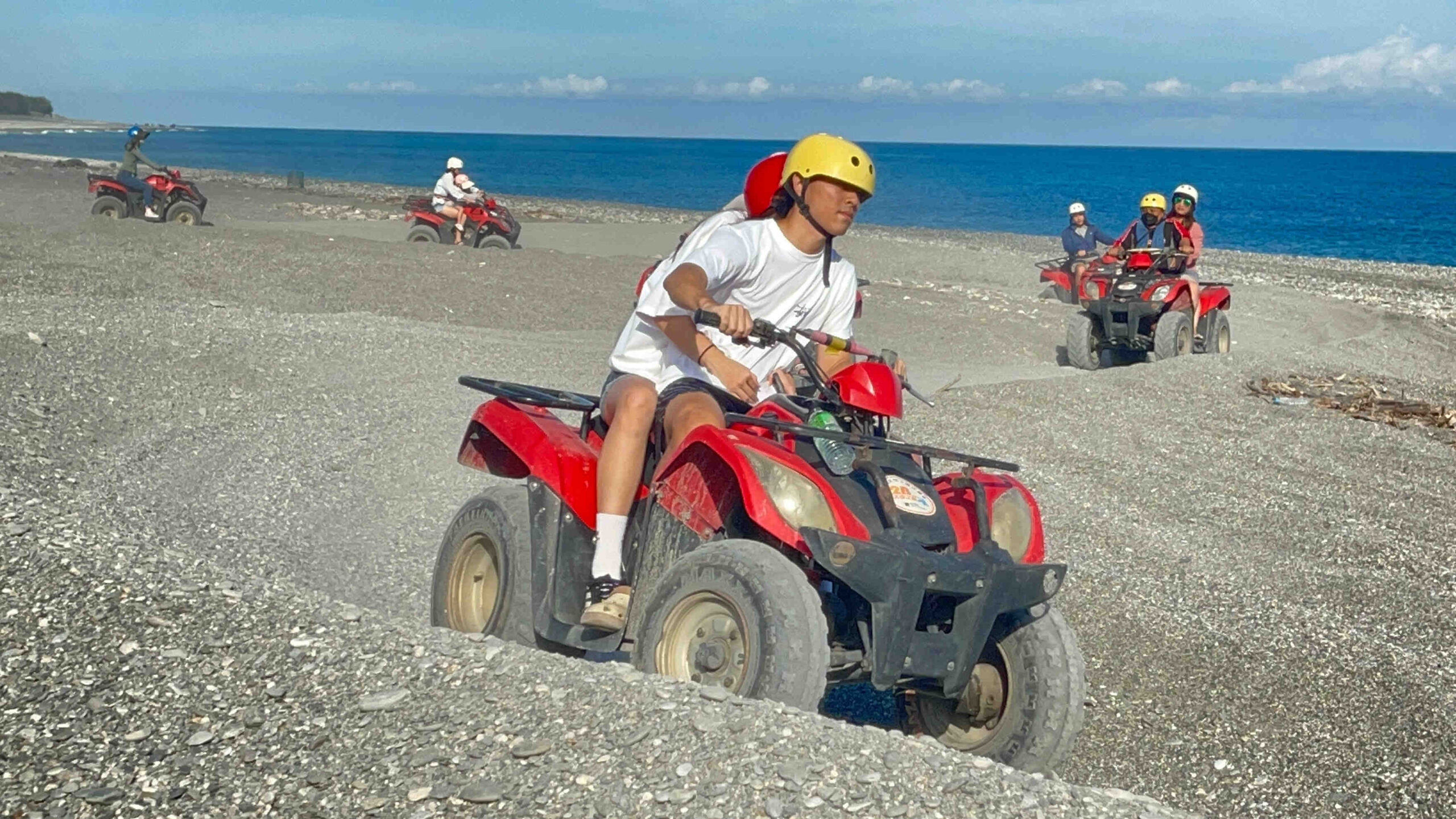
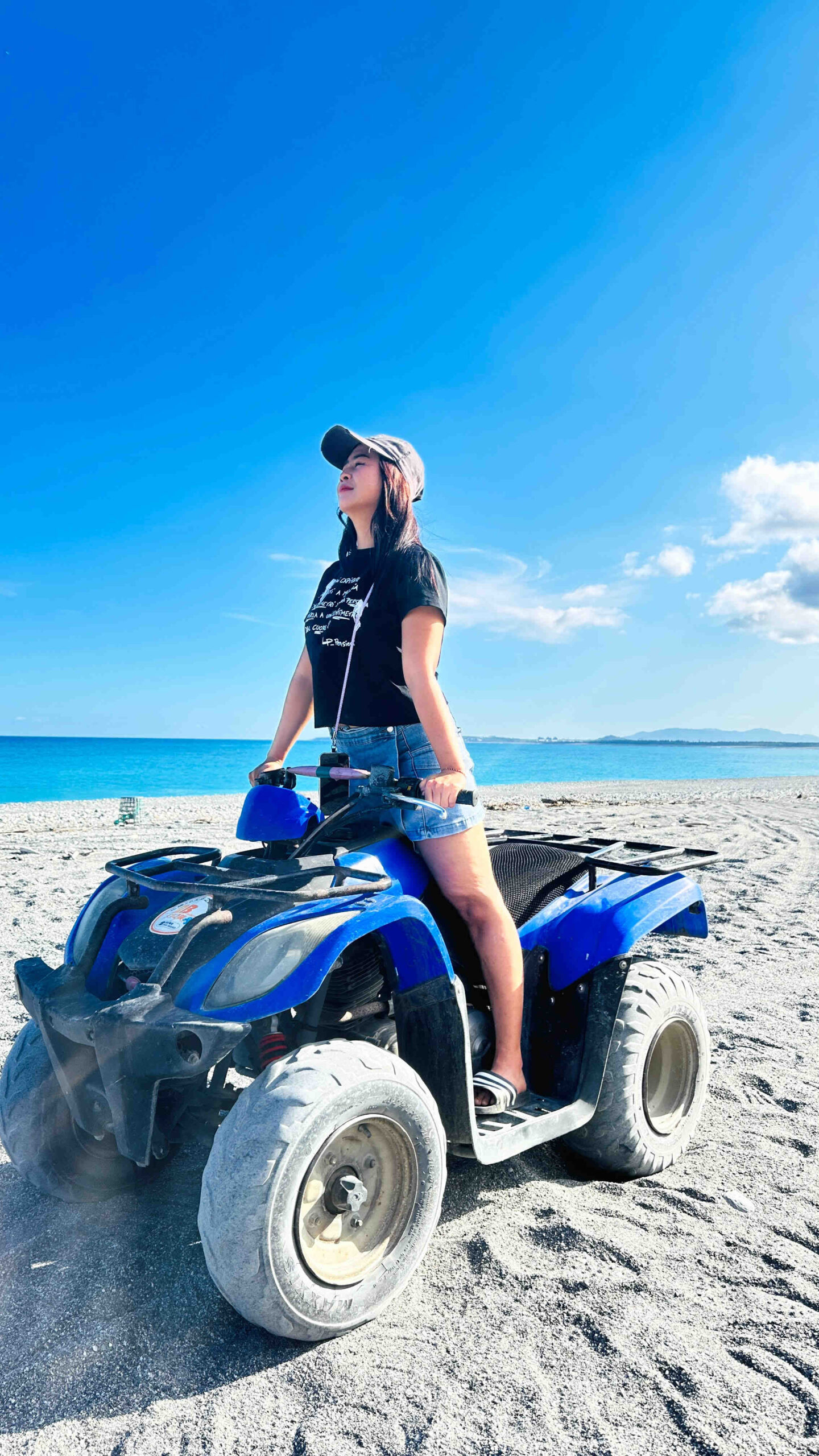
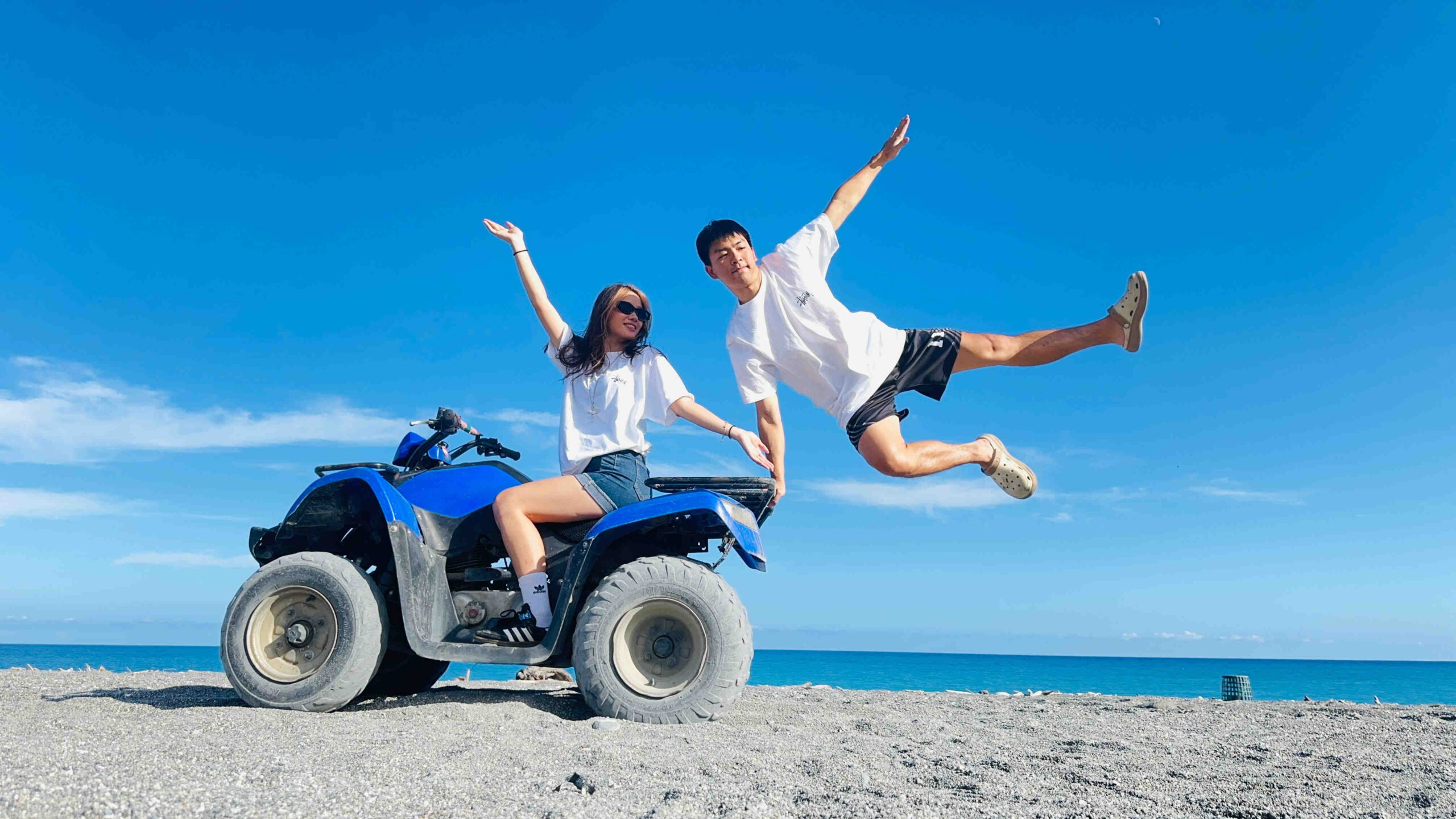
For our last activity in Hualien, we hopped aboard some all-terrain vehicles in district 51. It’s a touristy thing to do, but hey, we were tourists!
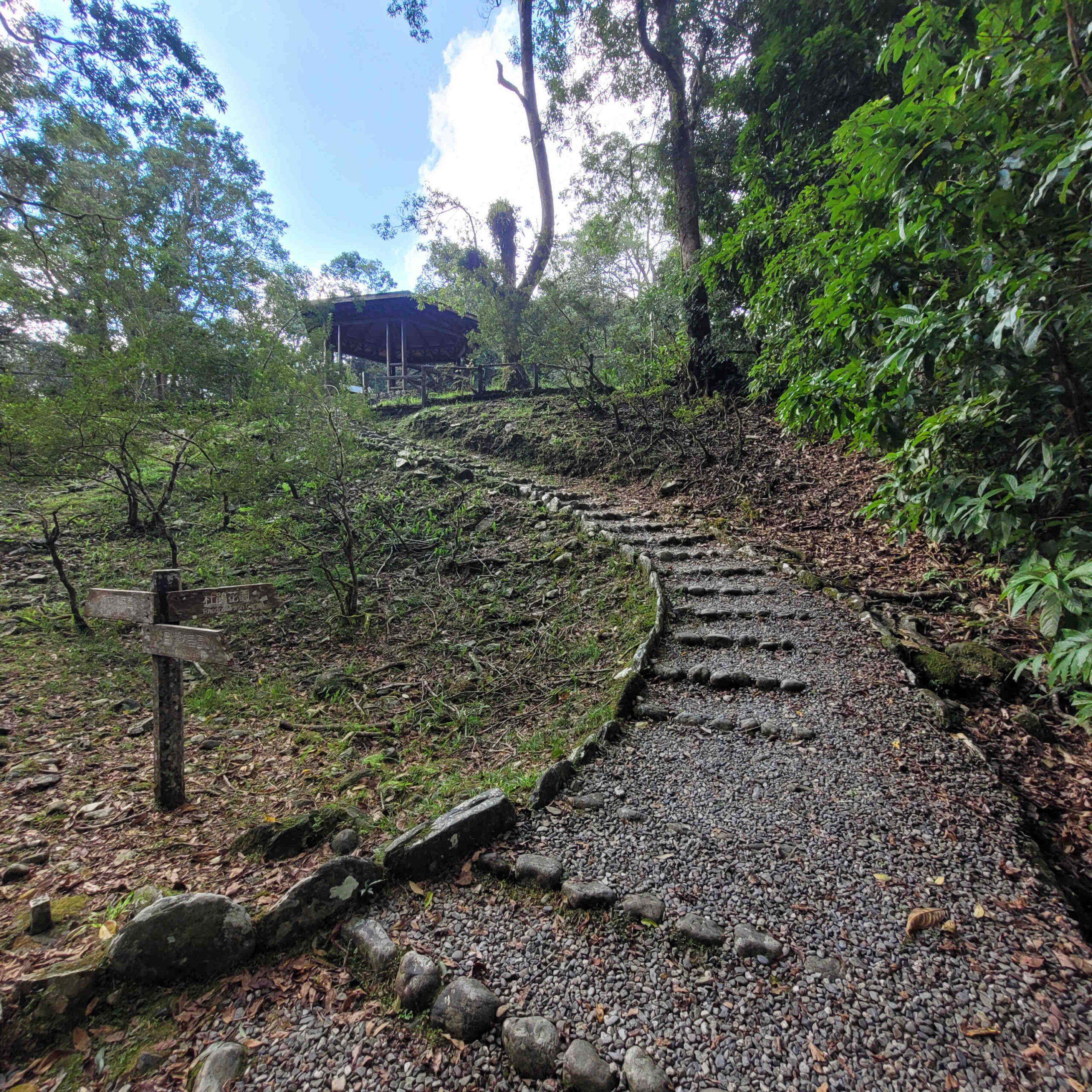
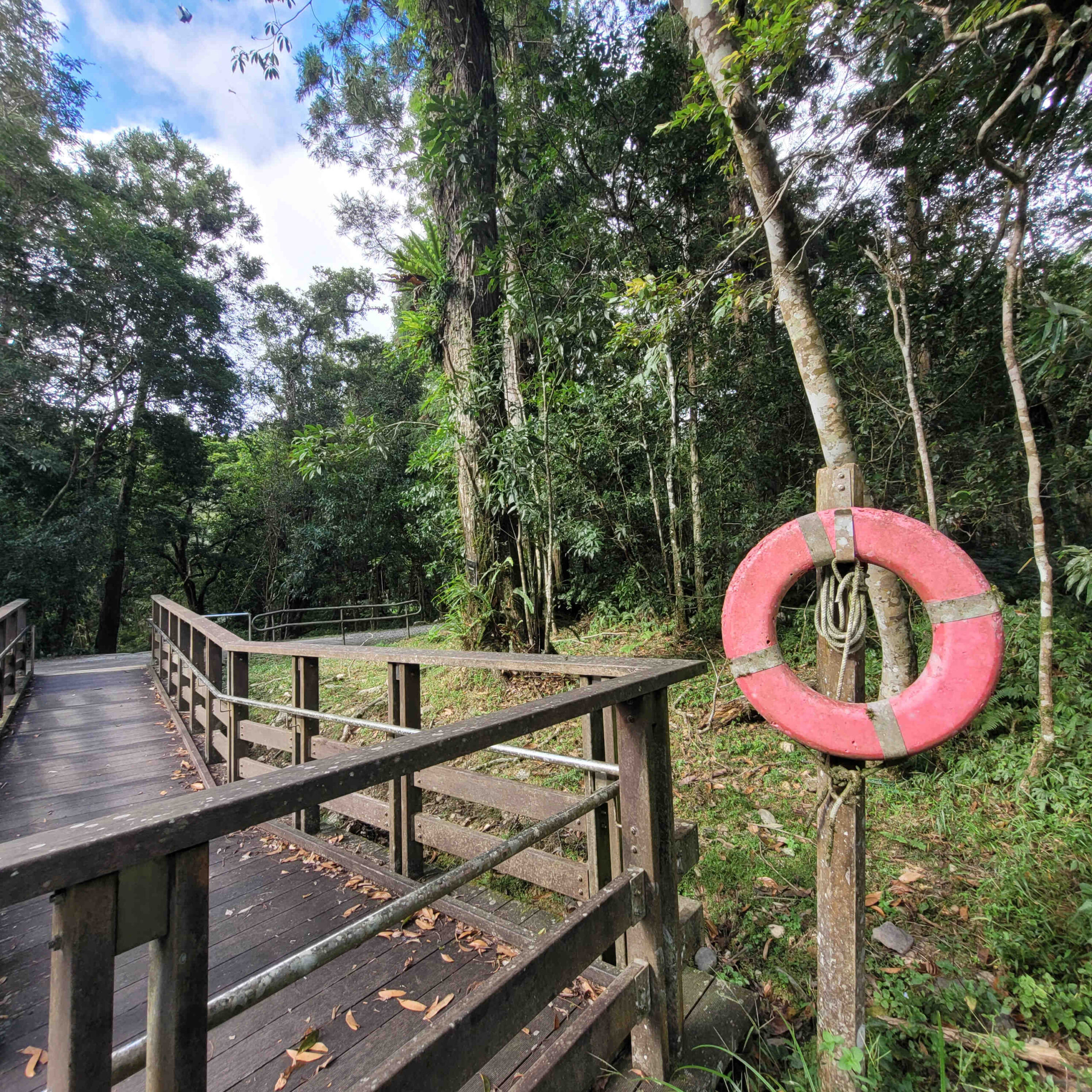
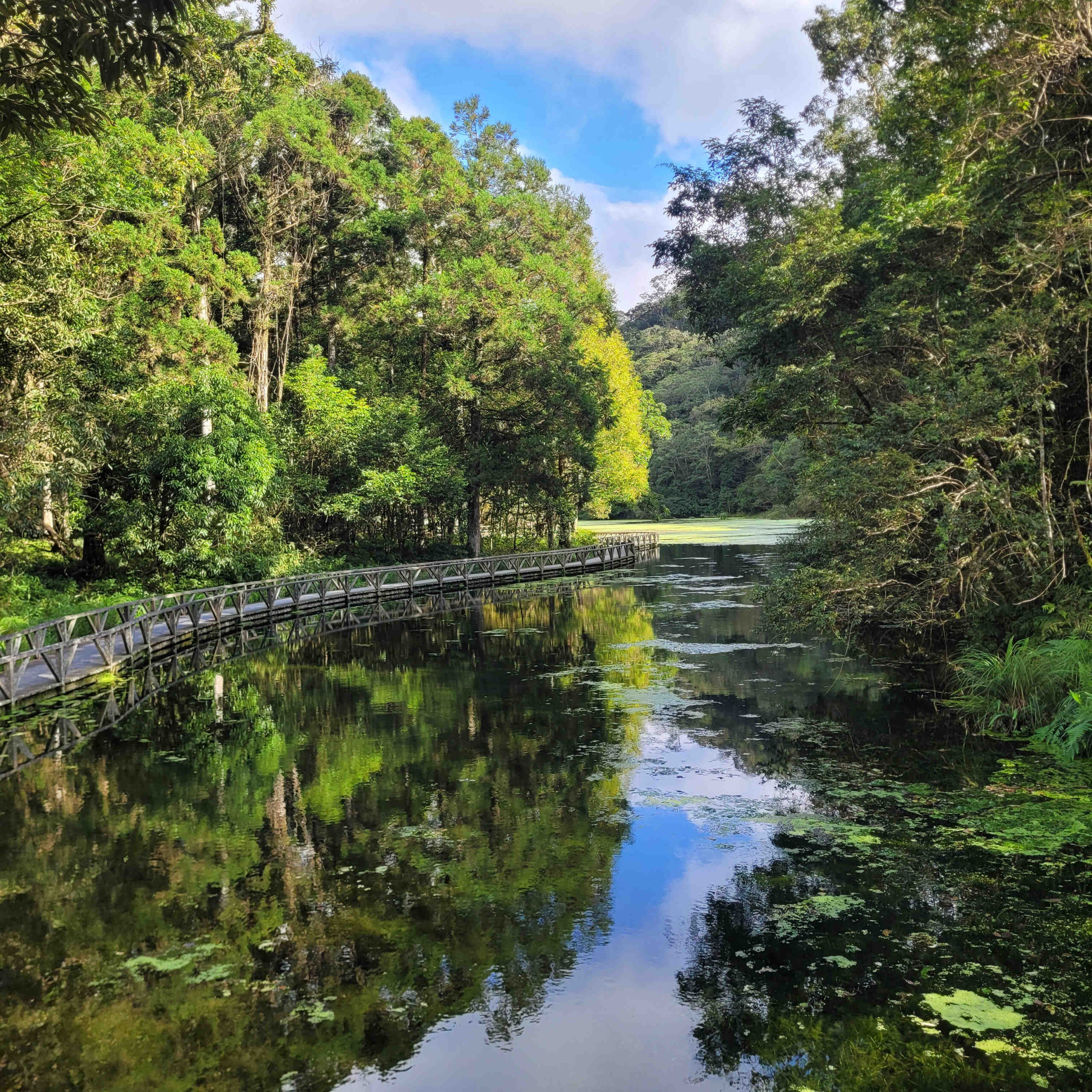
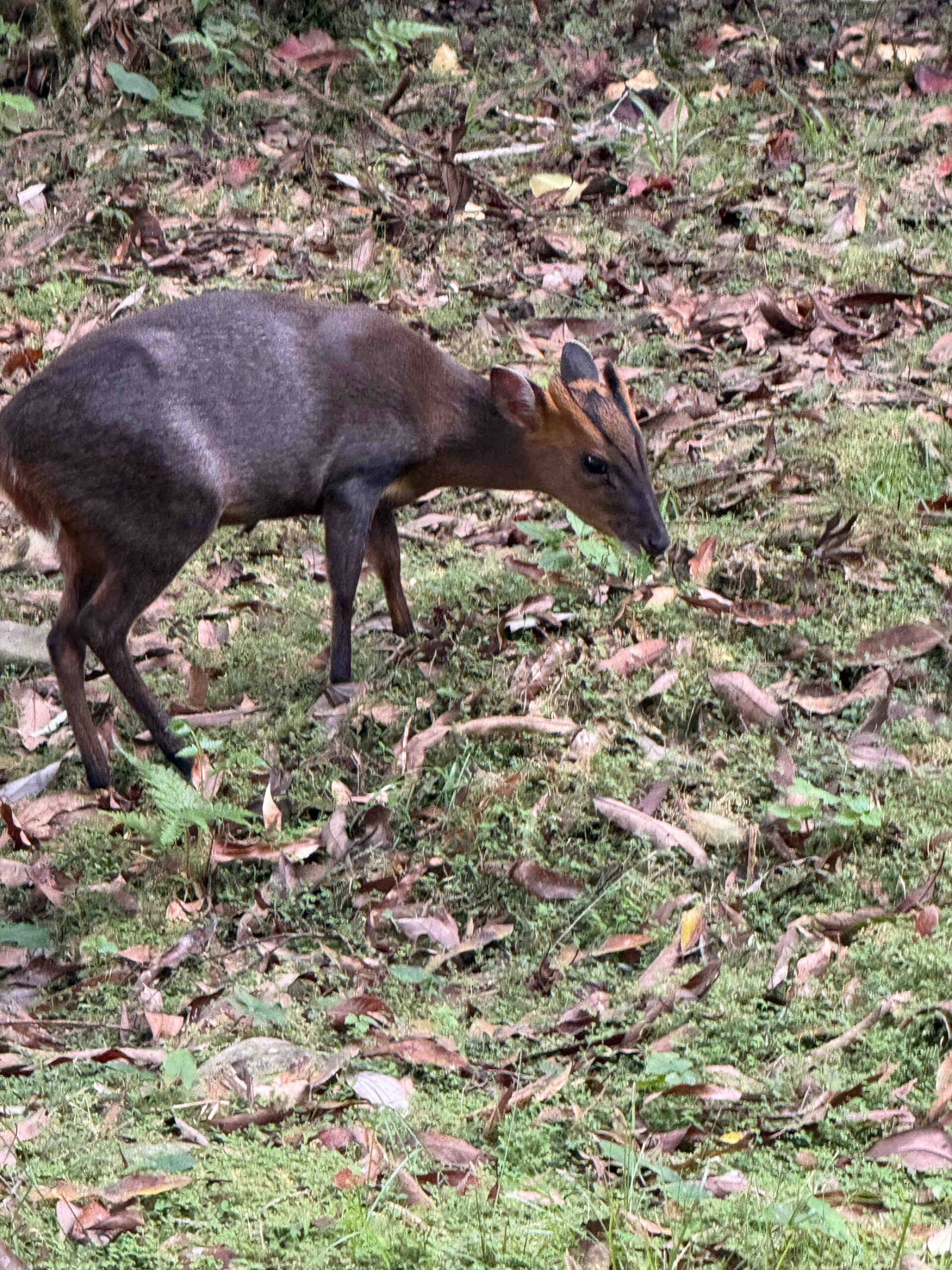
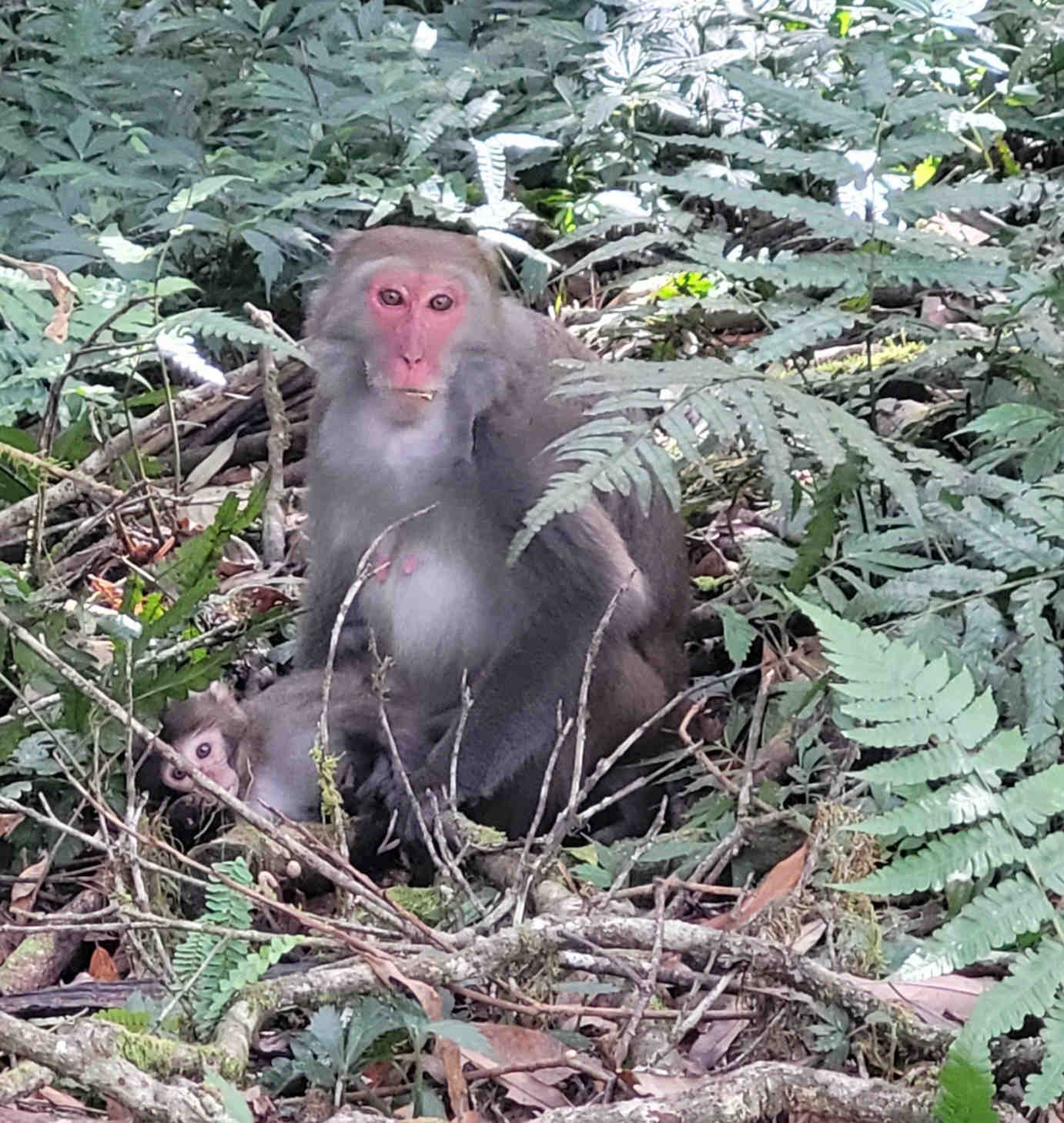
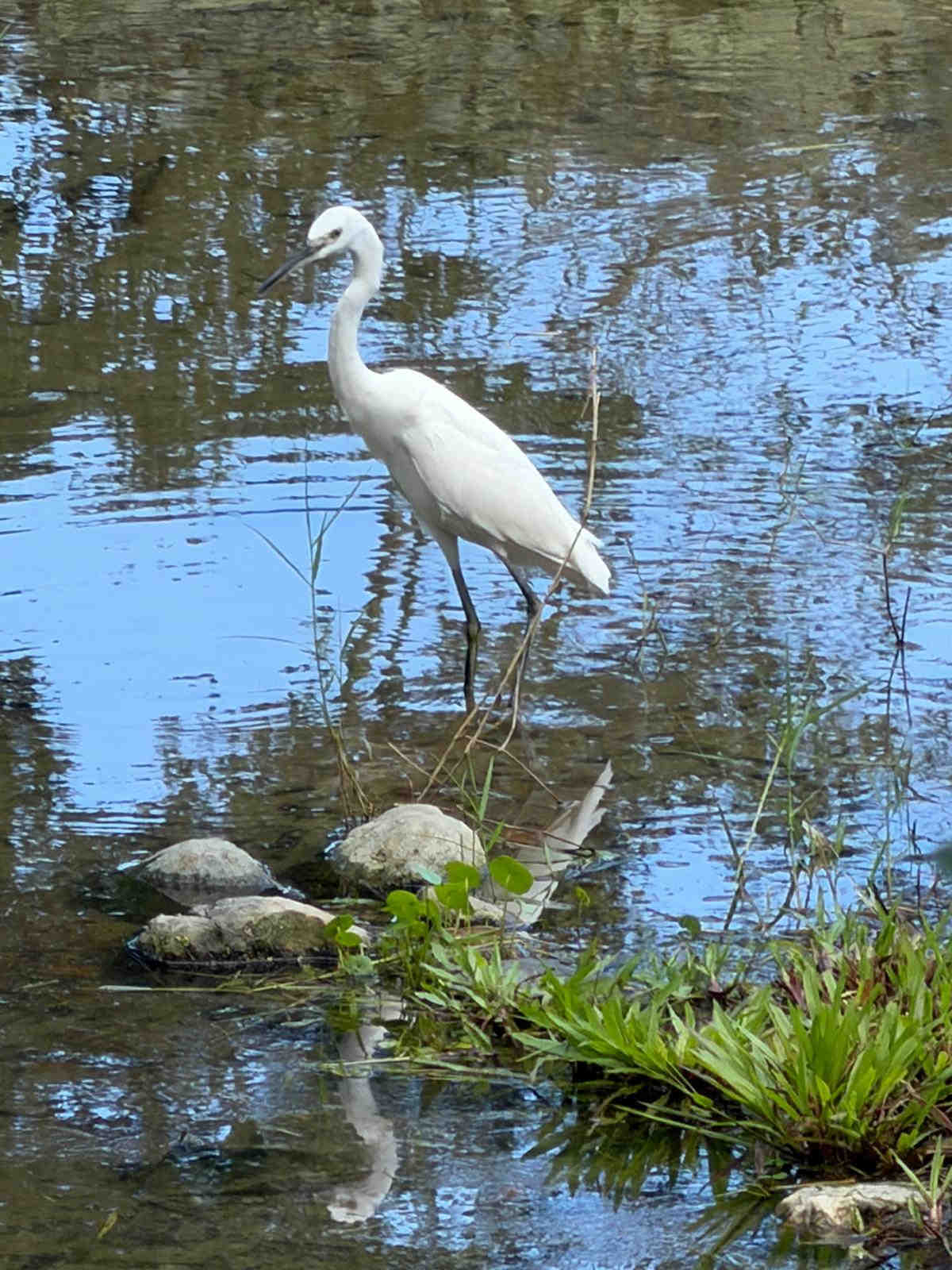
After two nights in Hualien and Taroko, it was time for us to head back to Taipei. On the way there, we took in some sights in Yilan County, situated on Taiwan’s northeastern coast. First up was the Fushan Botanical Garden.
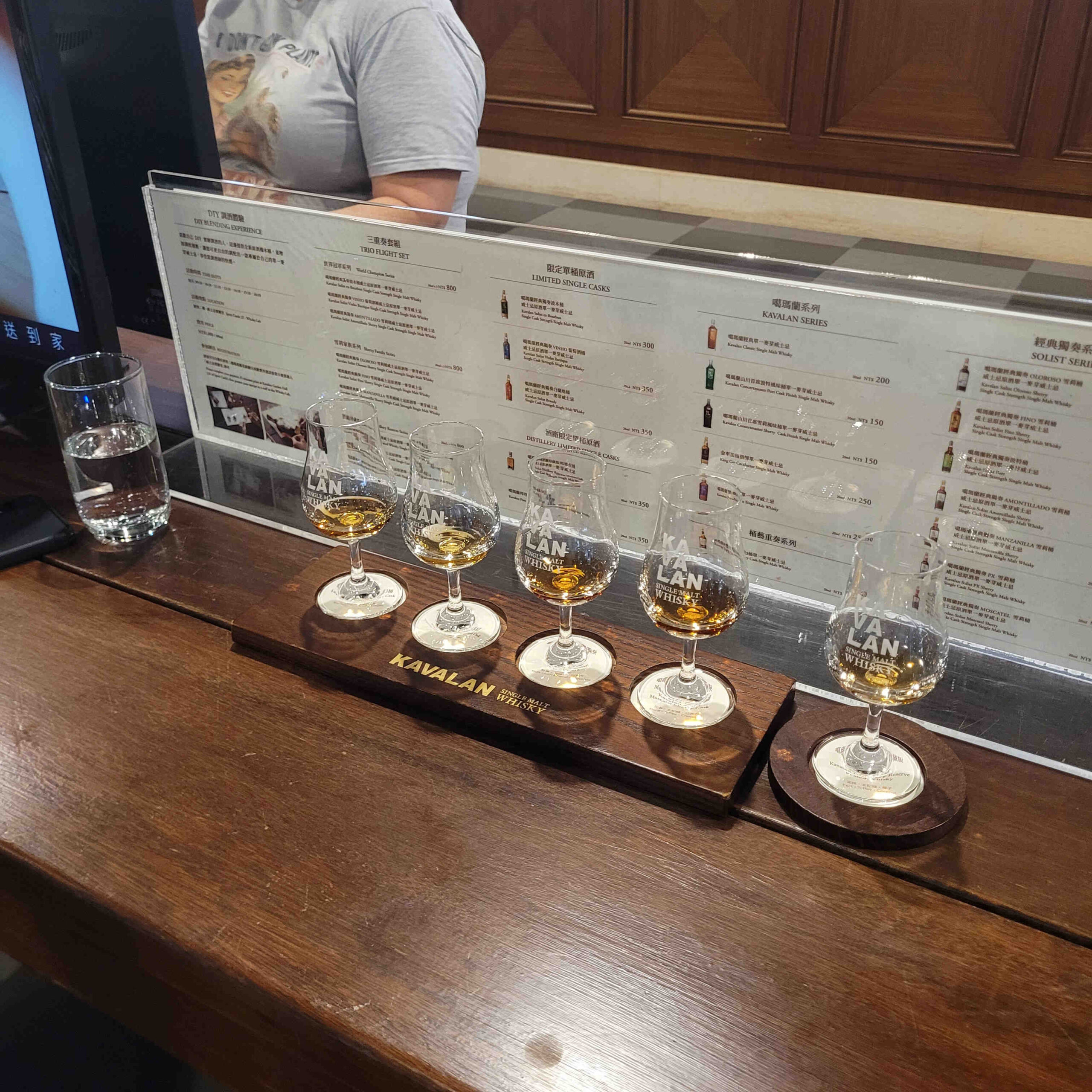
Yilan is also home to Taiwan’s world-famous Kavalan Distillery. Though it’s only been around since 2005, Kavalan’s whiskies have won almost a thousand medals in international competitions.
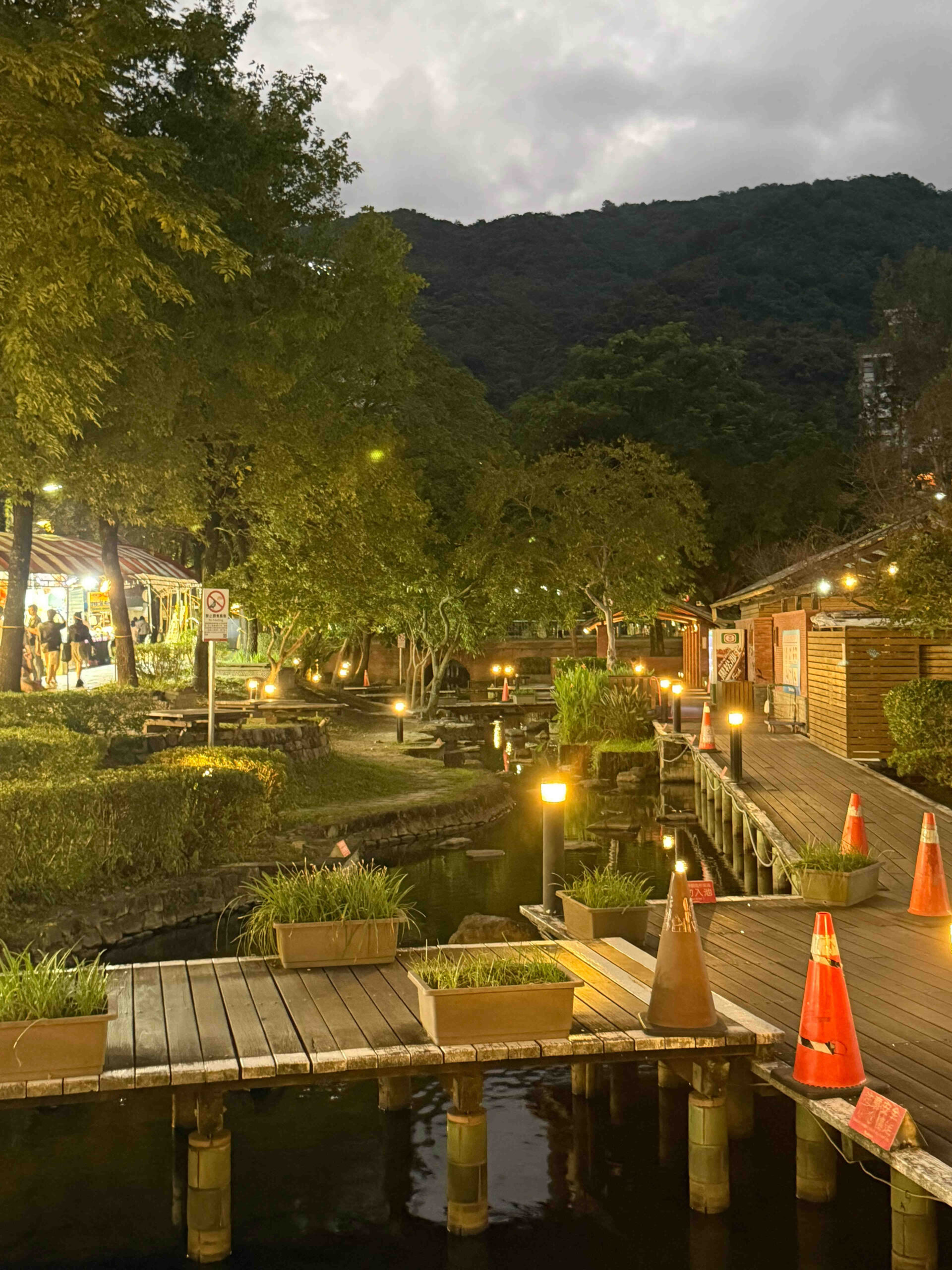
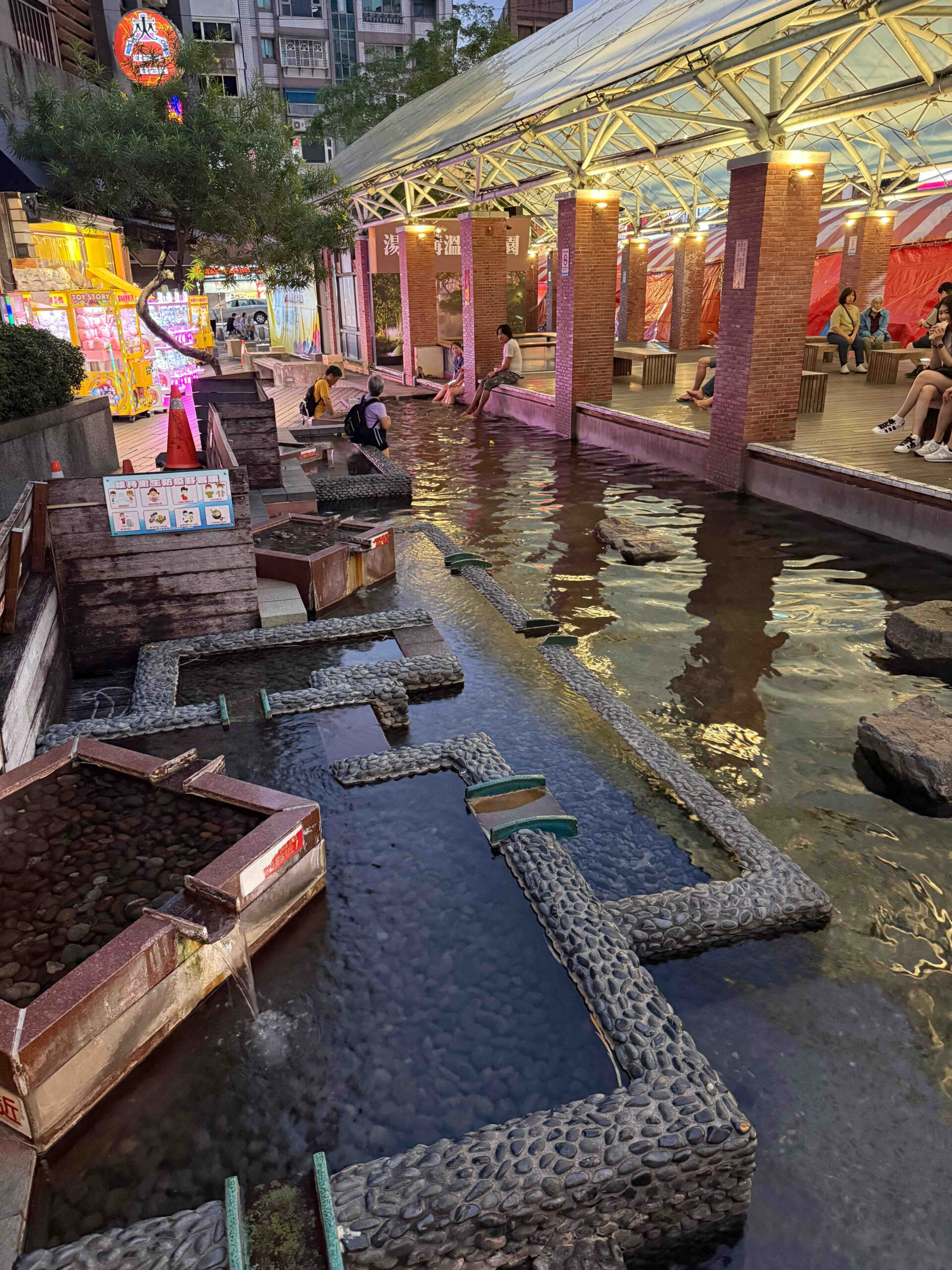
Our last stop in Yilan was the hot springs of Jiaoxi. It’s another very touristy destination. The hot springs are sourced from natural geothermal wells in the nearby hills.
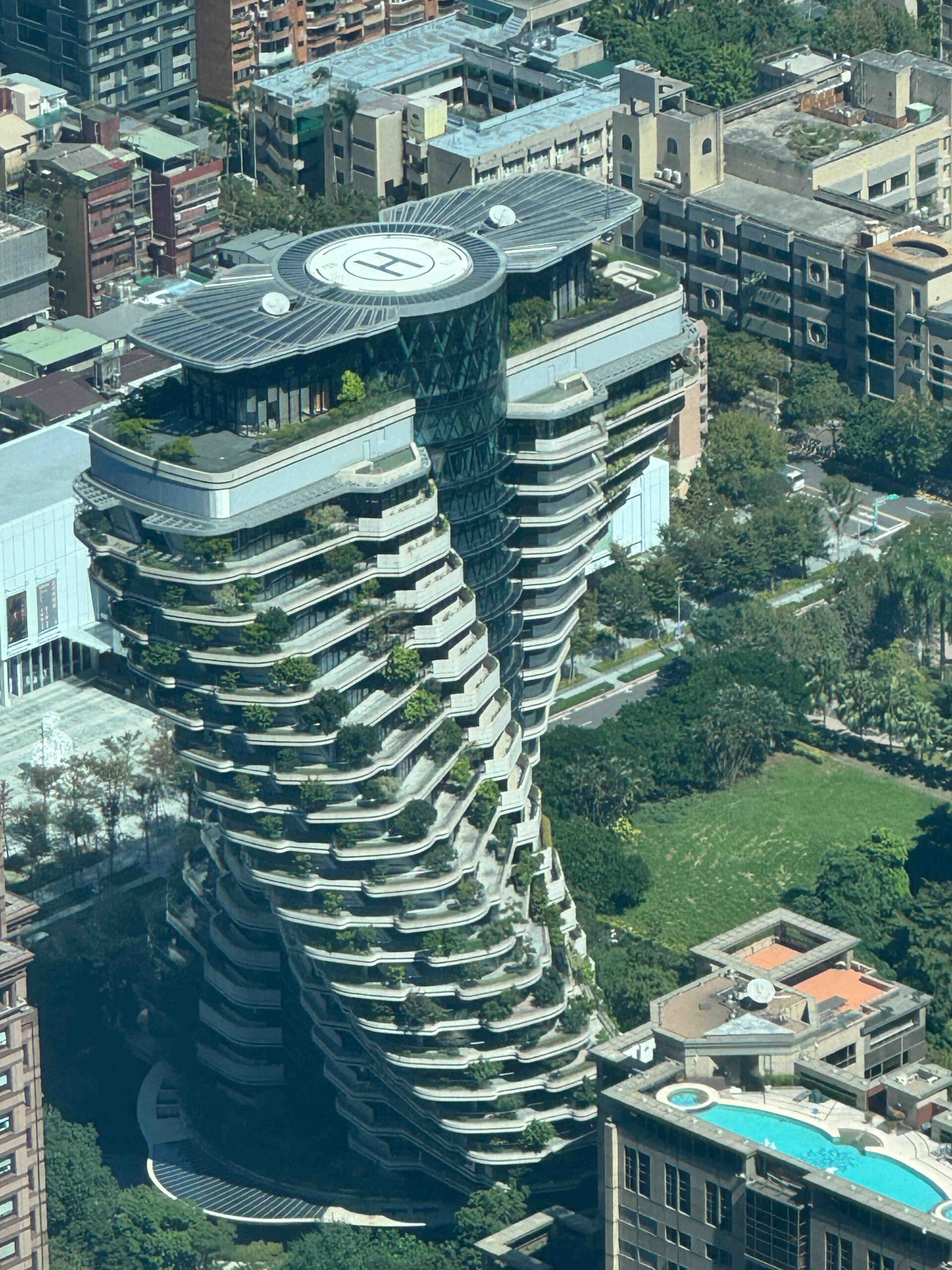
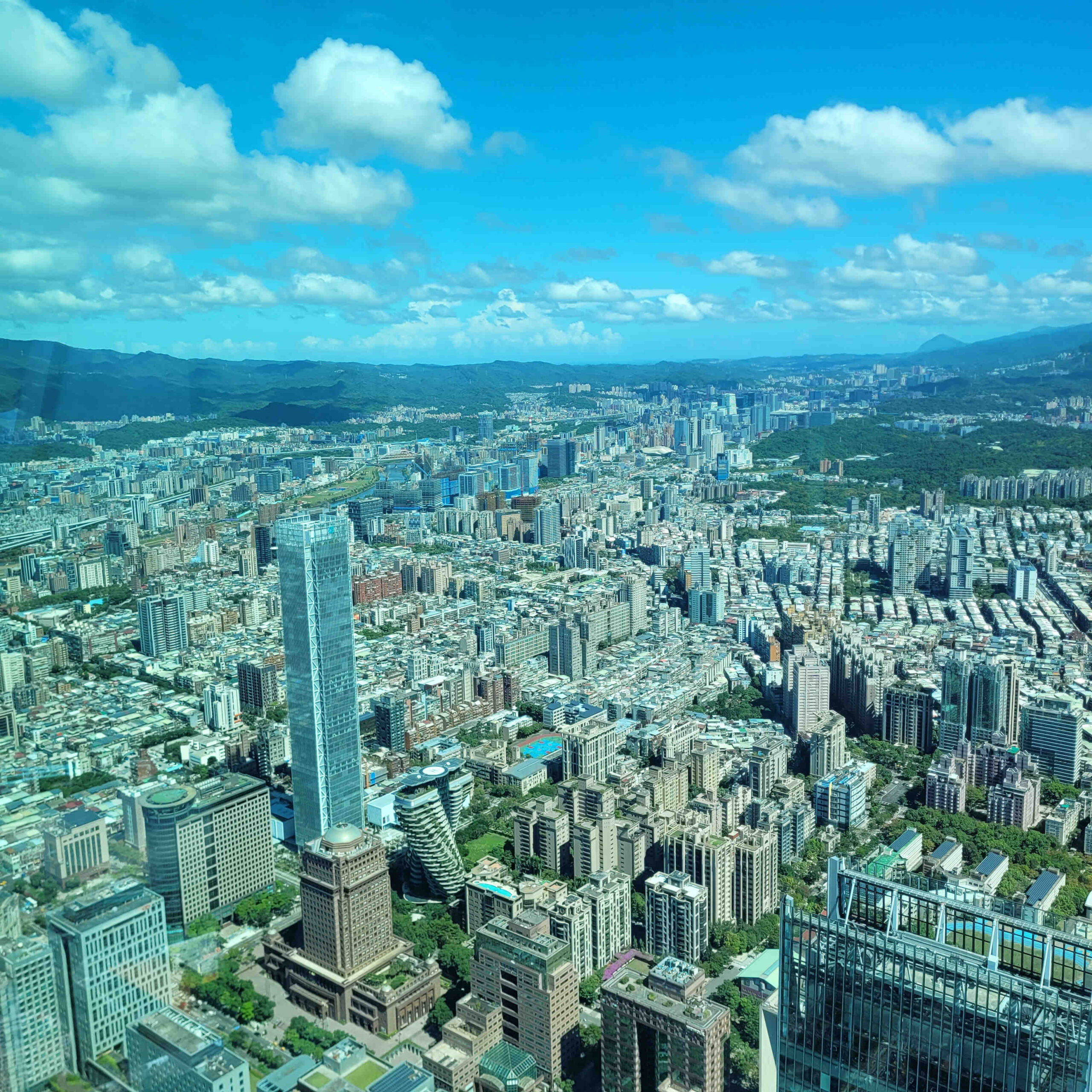
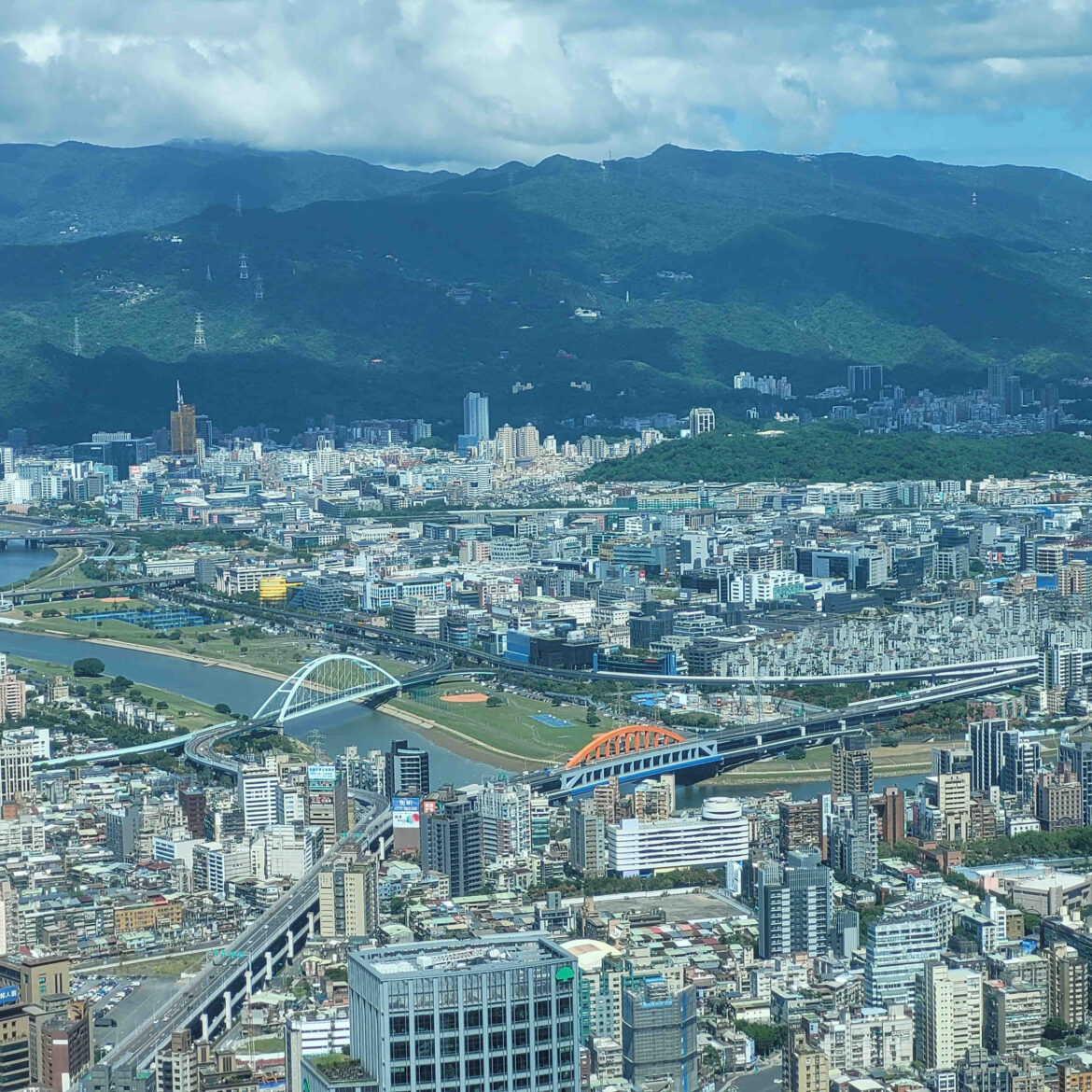
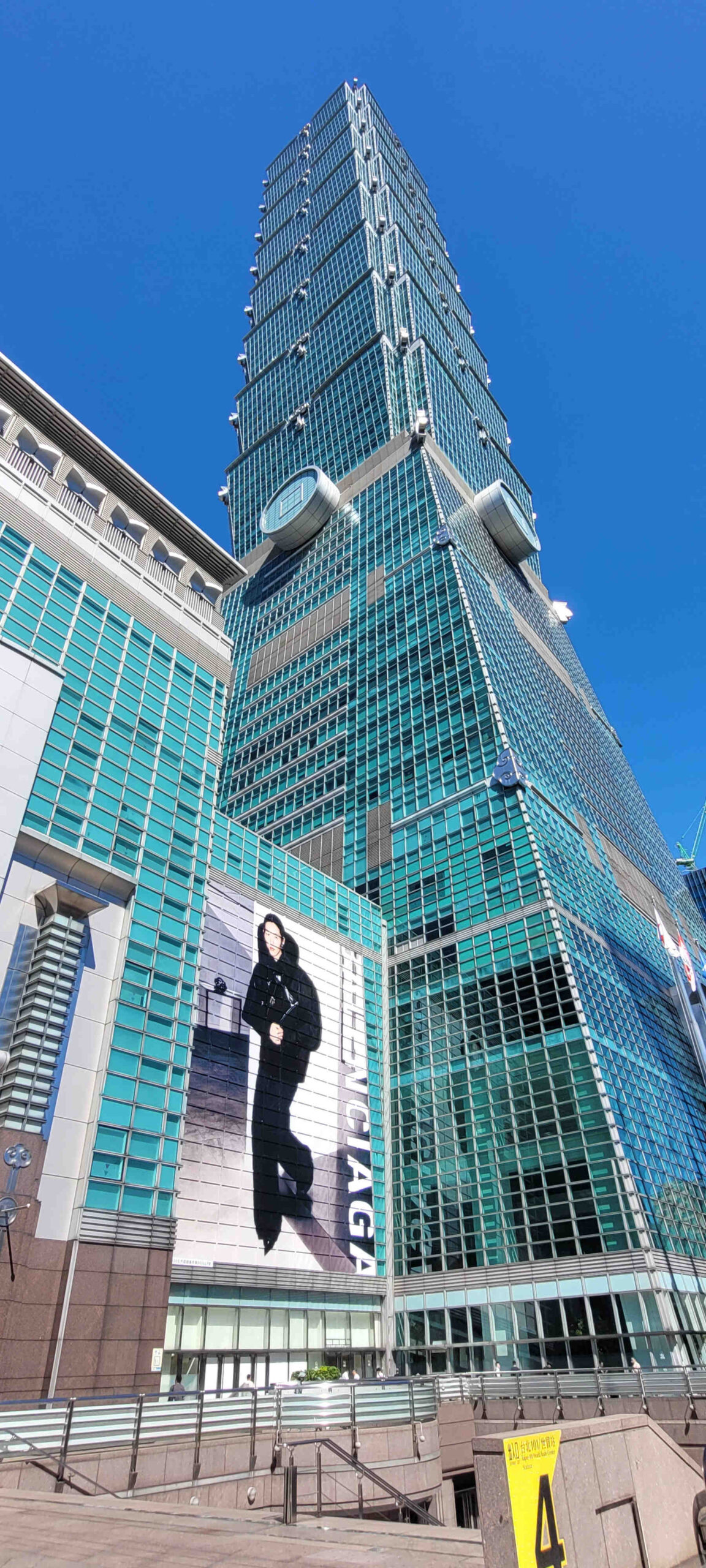
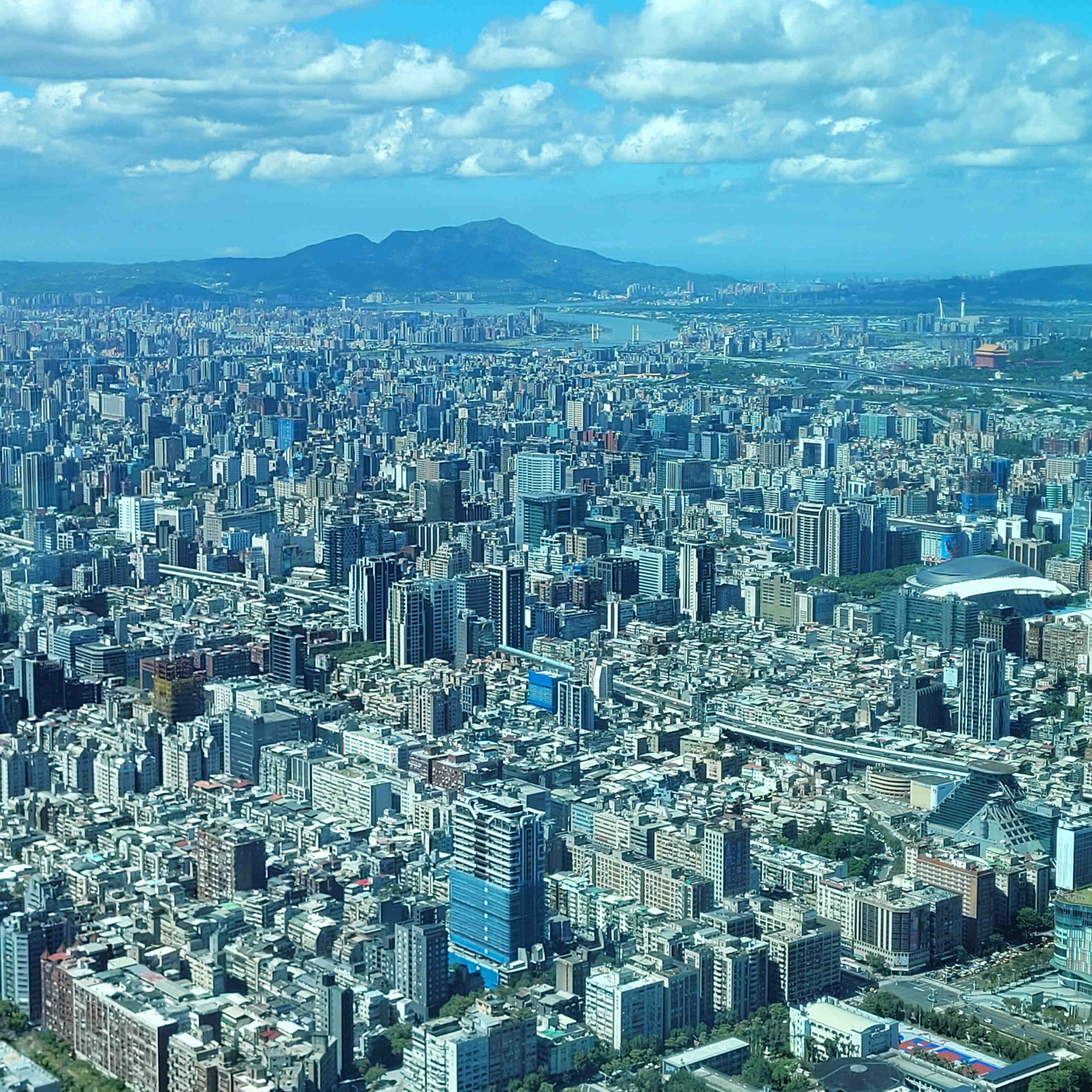
After a long day in Yilan, we drove back to Taipei, completing our full circle tour of Taiwan. But we still had one more day left to enjoy, so it was time to check out the observation deck on top of Taipei 101, Taiwan’s tallest building and the world’s tallest from 2004 to 2009.

Our time in Taiwan was at an end, but we were really glad we made the journey. It’s a fascinating little island nation with lots of tasty cuisine. The people seem pretty happy overall, and there doesn’t seem to be much crime or extreme poverty. The Taiwanese do have to live with the constant threat of a takeover by China. But they also can’t deny their deep ties to their mother country. Though they live in China’s gigantic shadow, they keep carving out their own identity, working hard to build their own prosperity and enjoy their own way of life. With a strong democracy and far more individual freedoms than the Chinese themselves enjoy, Taiwan’s continued independence is vital to a free and better world. We can only hope it stays that way.