If you’ve never heard of Taihoku, don’t worry, you’re not alone. It’s what the Japanese called Taiwan’s capital city (known to us as Taipei) during the 50 years when Taiwan was under Japanese colonial rule, from 1895 until the end of WWII in 1945.
After Japan surrendered at the end of the war, Taiwan was returned to China, and all traces of Japanese rule were erased. Taihoku became Taipei again.
In 1949, 4 years after the war, communists took over mainland China. So Chiang Kai-shek, the leader of China’s anti-communist government, fled to Taiwan and made it the new home of the Republic of China.
Taiwan’s problem ever since is that it considers itself an independent nation. But China still considers it a province. Unfortunately for Taiwan, most of the world takes China’s side. Or to be more accurate, most of the world has allowed China to bully them into taking its side, since China has stated that it won’t maintain diplomatic relations with any country that recognizes Taiwan separately.
I don’t understand why democratic nations like the USA go along with this arrangement. Nowadays, Taiwan is also democratic, and far more closely aligned with Western principals of government than communist China is. I think all the major Western powers should recognize Taiwan simultaneously. My guess is that China’s threat to cut off relations would shrivel and die in the face of such unified opposition.
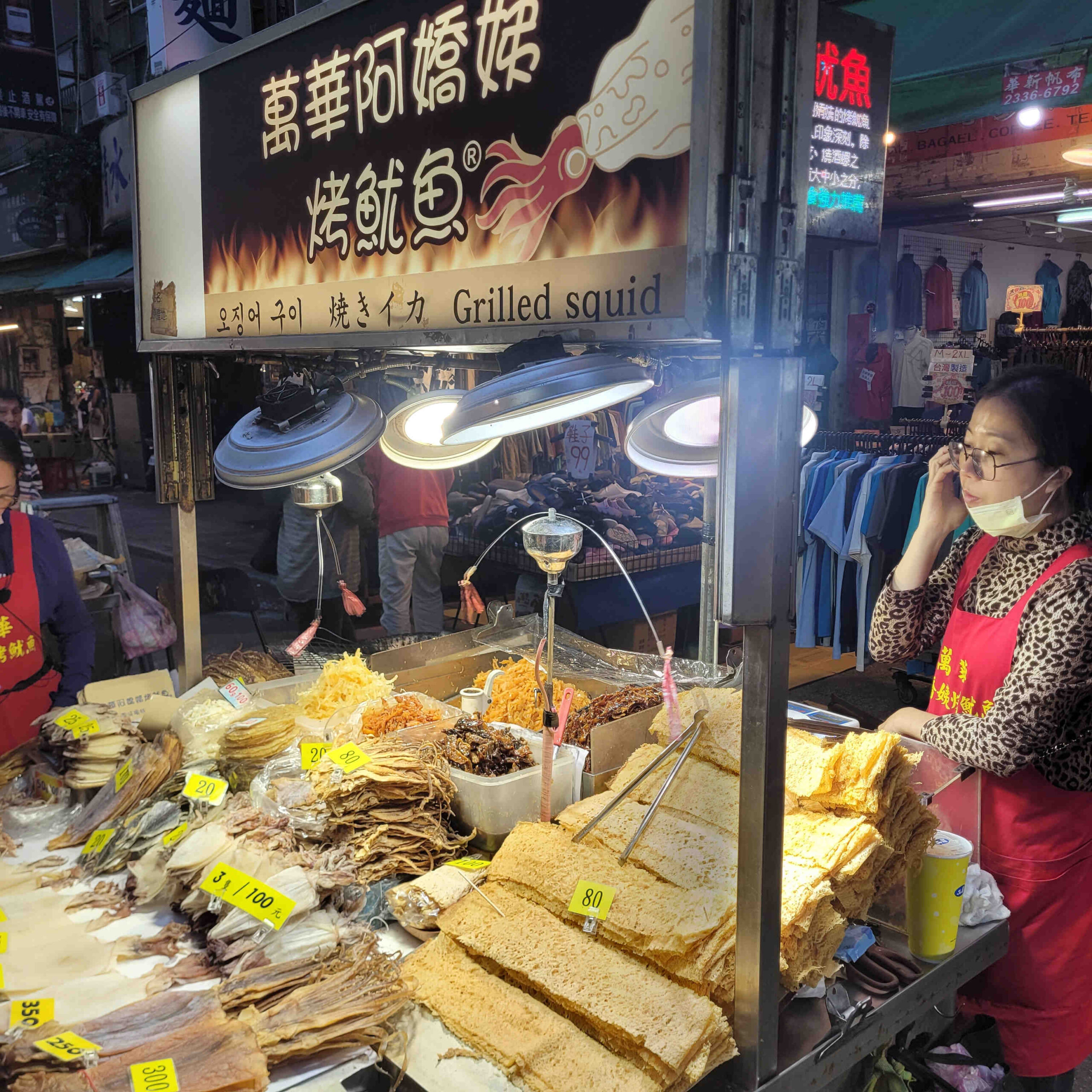
The people of Taiwan are doing their best to build and maintain a strong economy in the hopes of fending off China’s dominance. Tourism is an important component of that. But ironically, China is where most of Taiwan’s tourists come from.
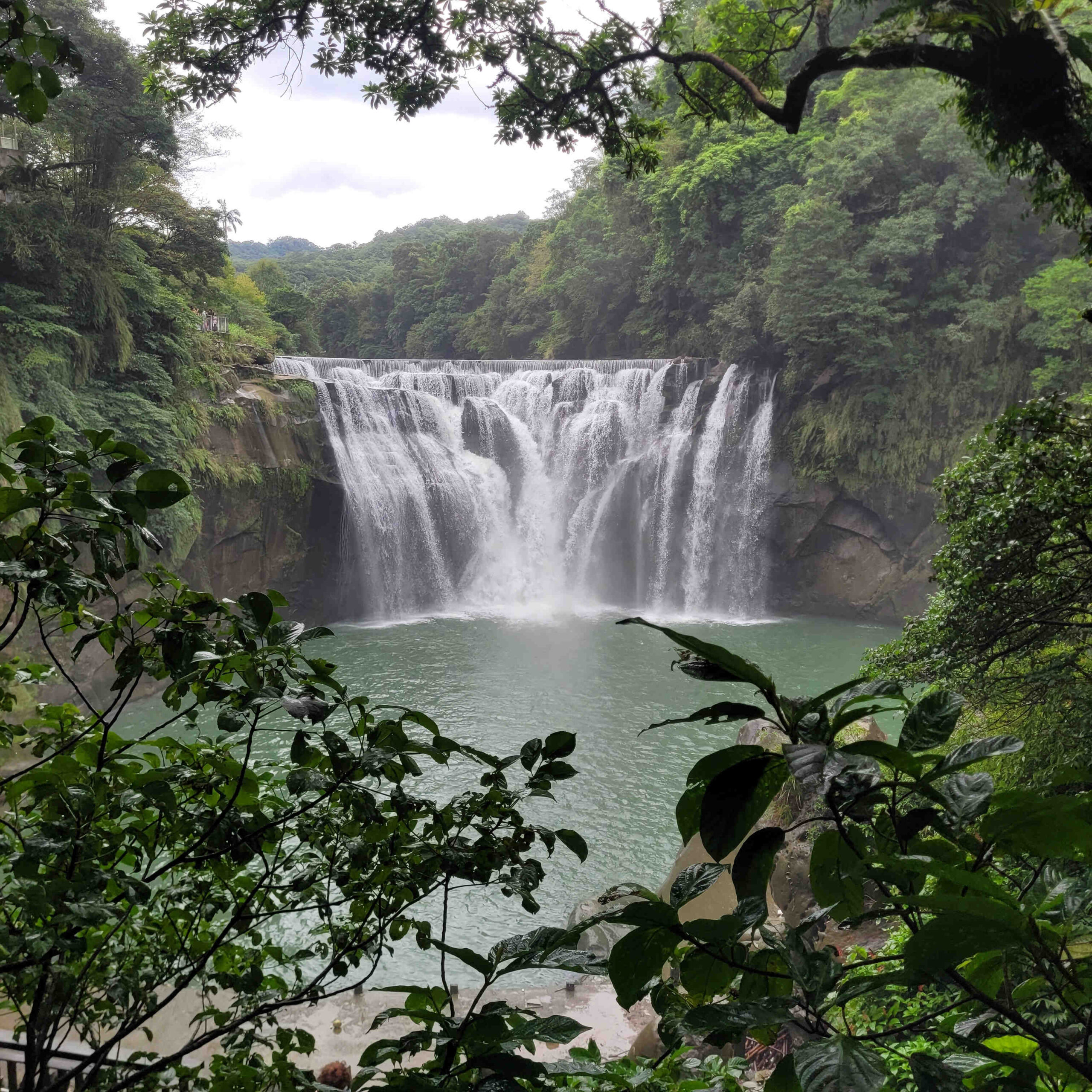
We visited many of the Taipei region’s most famous attractions. One of our favorites was launching sky lanterns in Shifen.

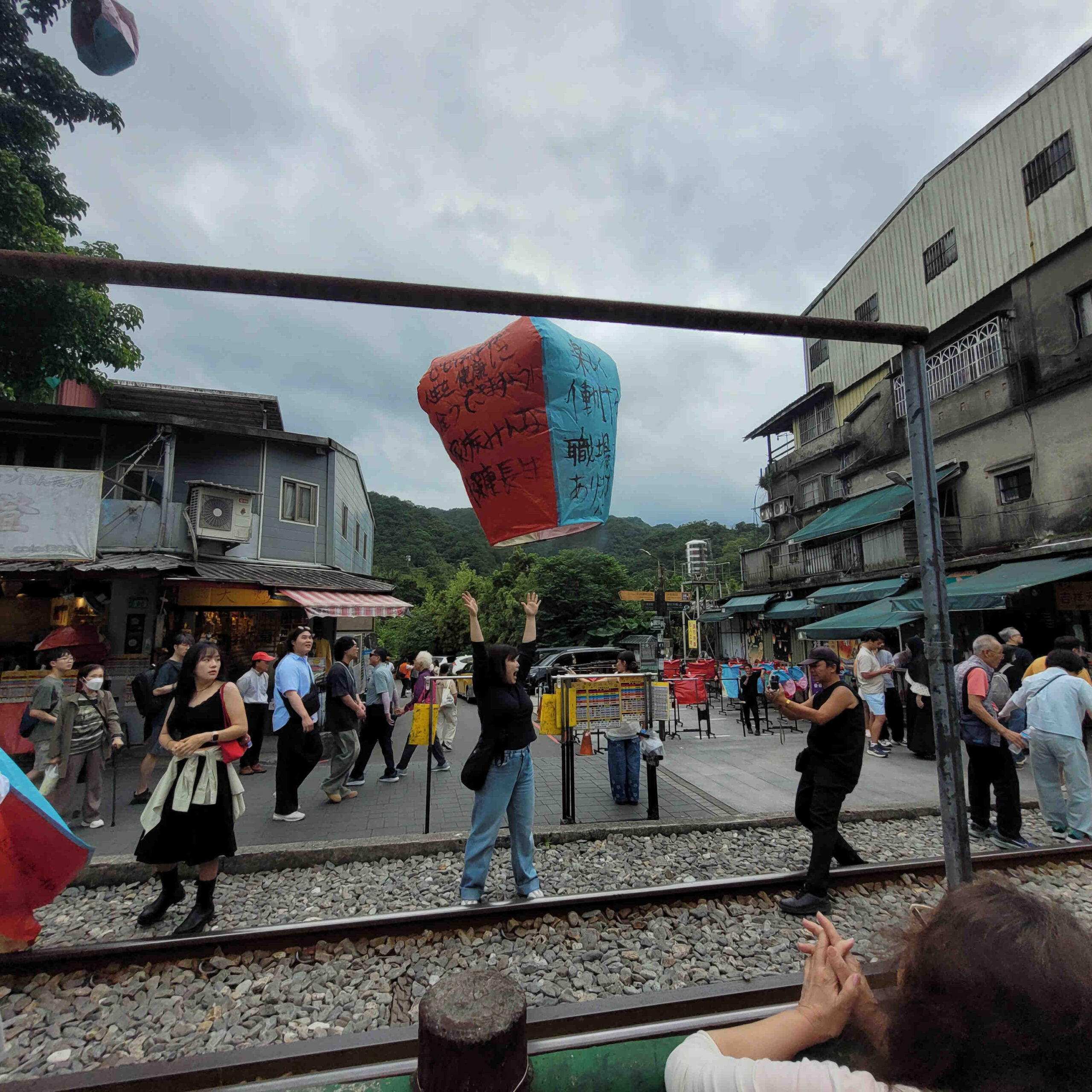
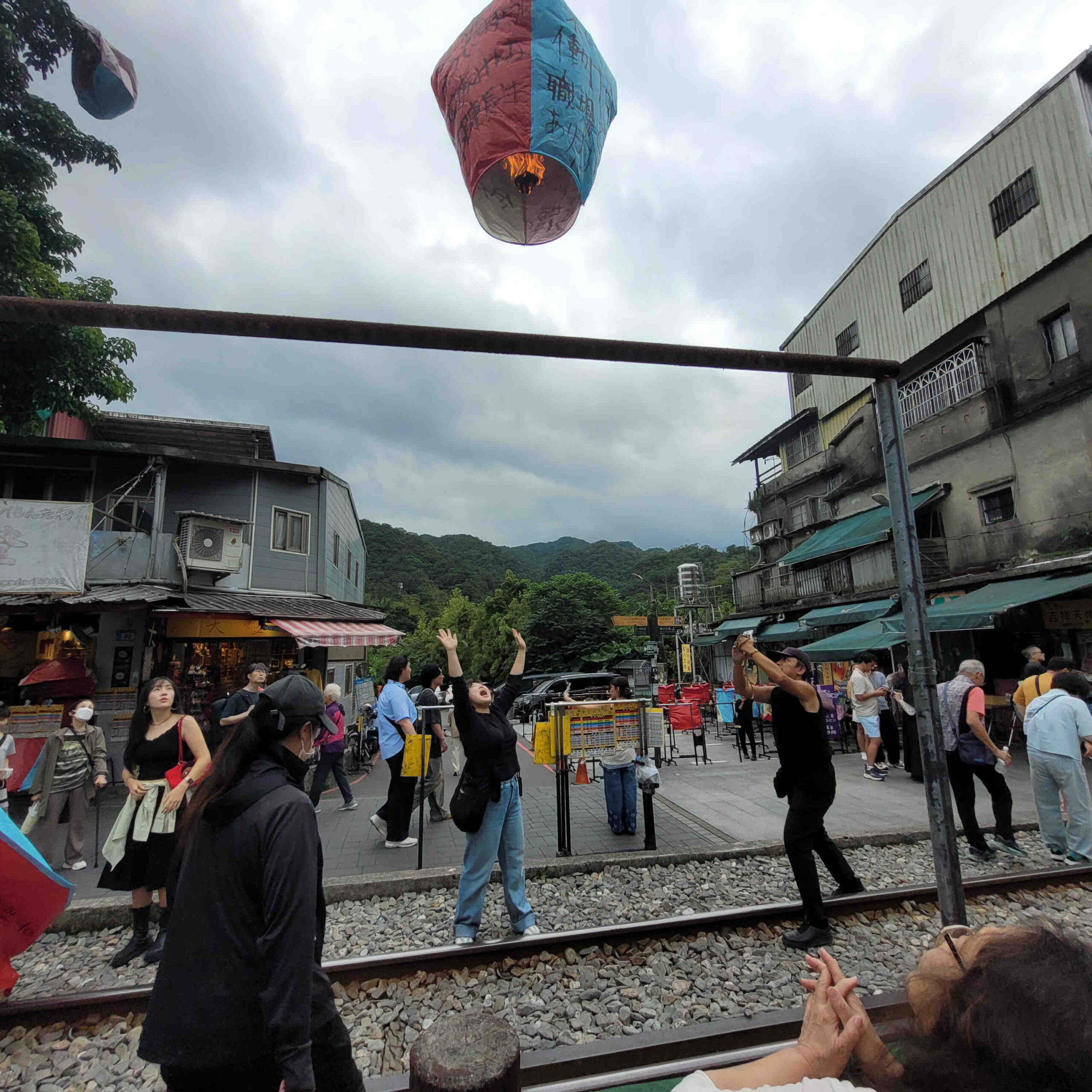
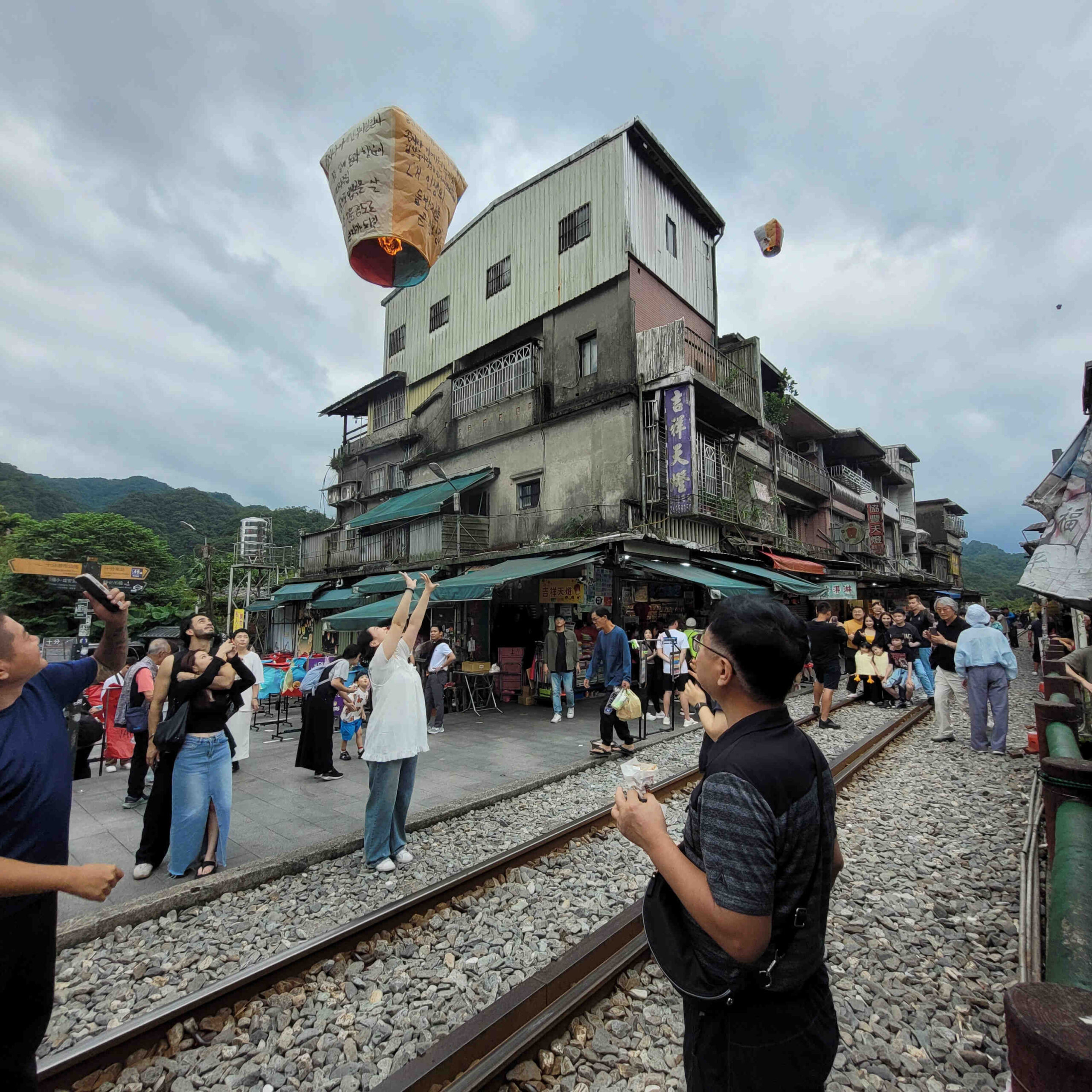
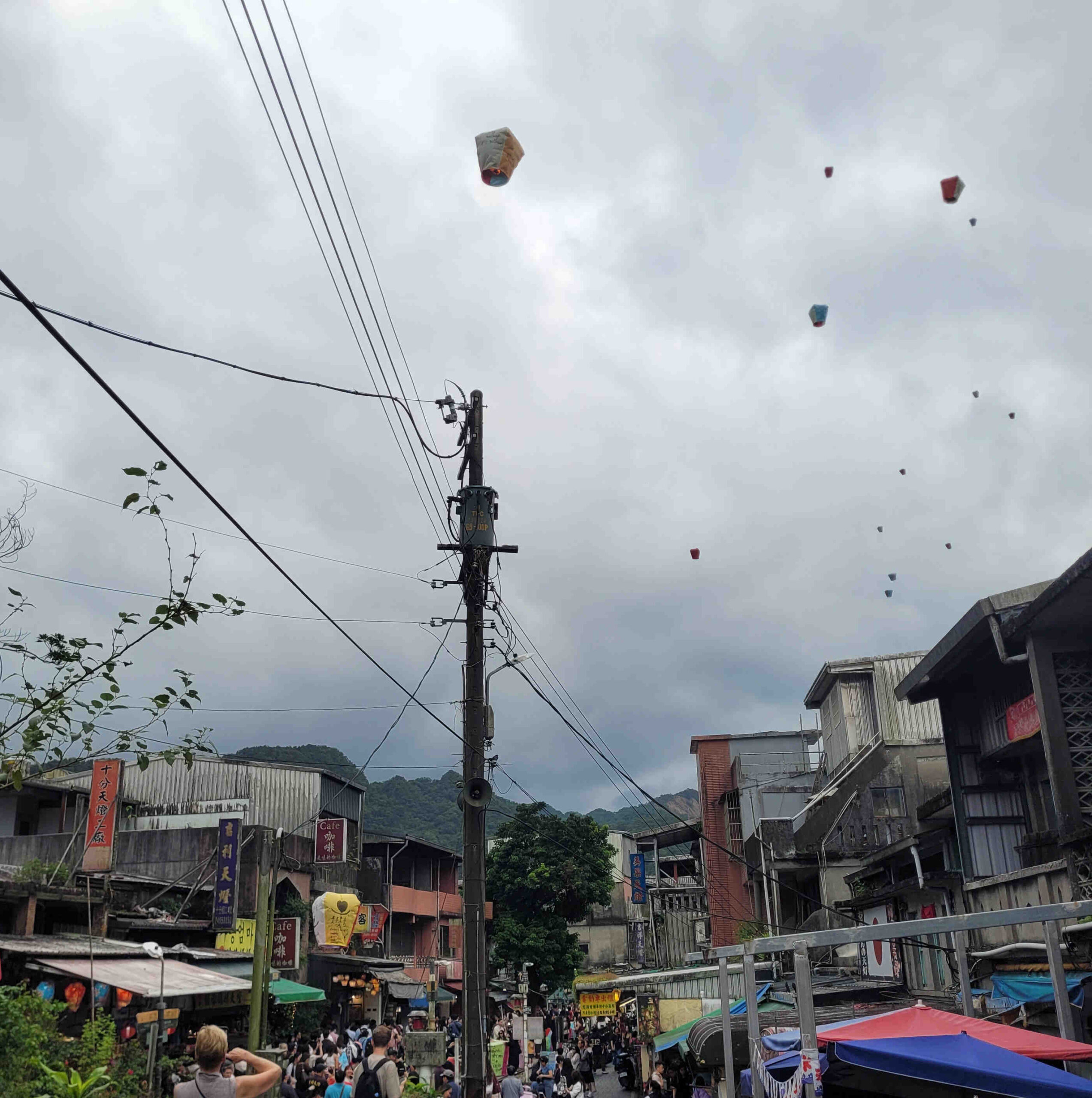
Eventually, the lanterns burn out and crash into the hills surrounding Shifen. People are paid to retrieve the remains so that the environment is not negatively impacted.
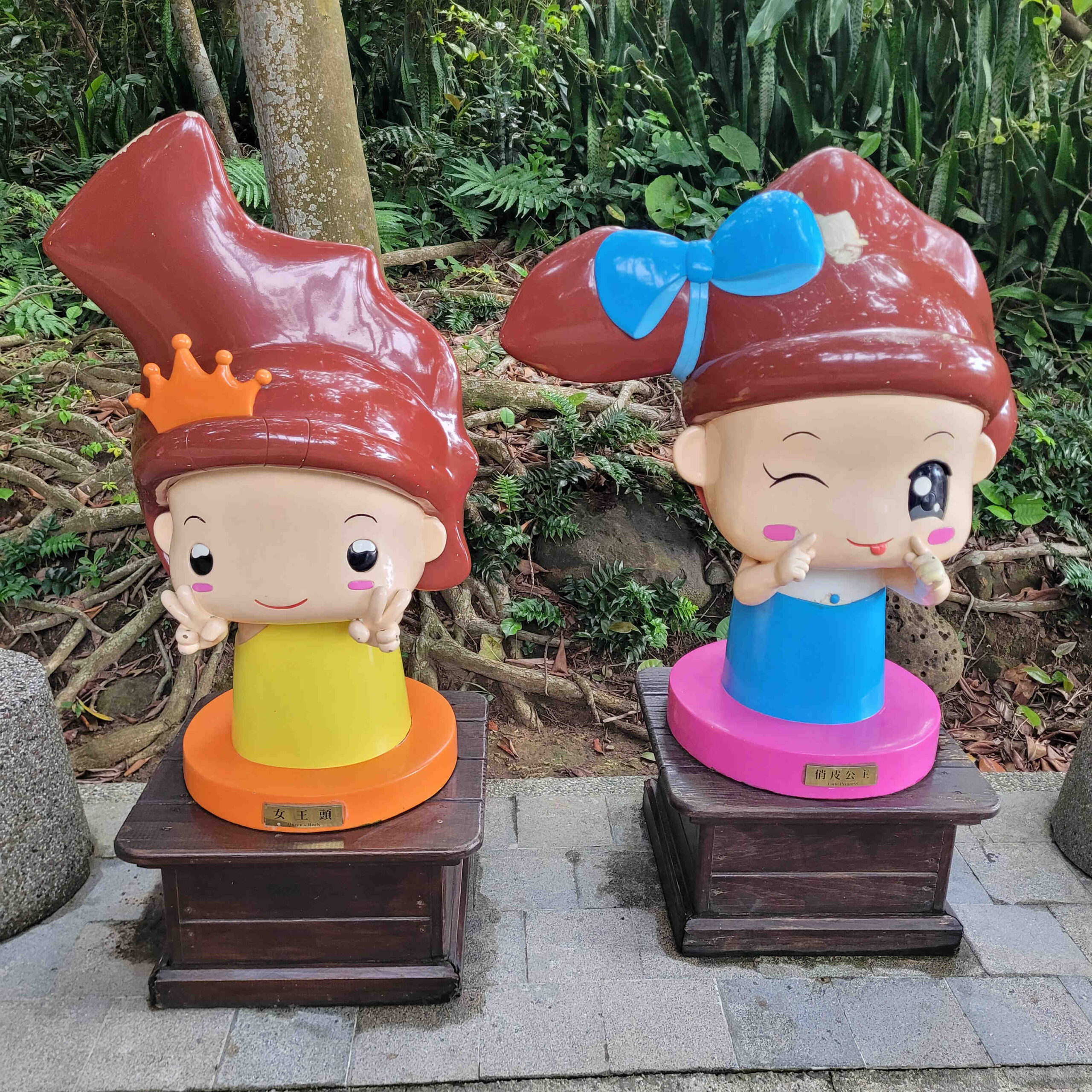
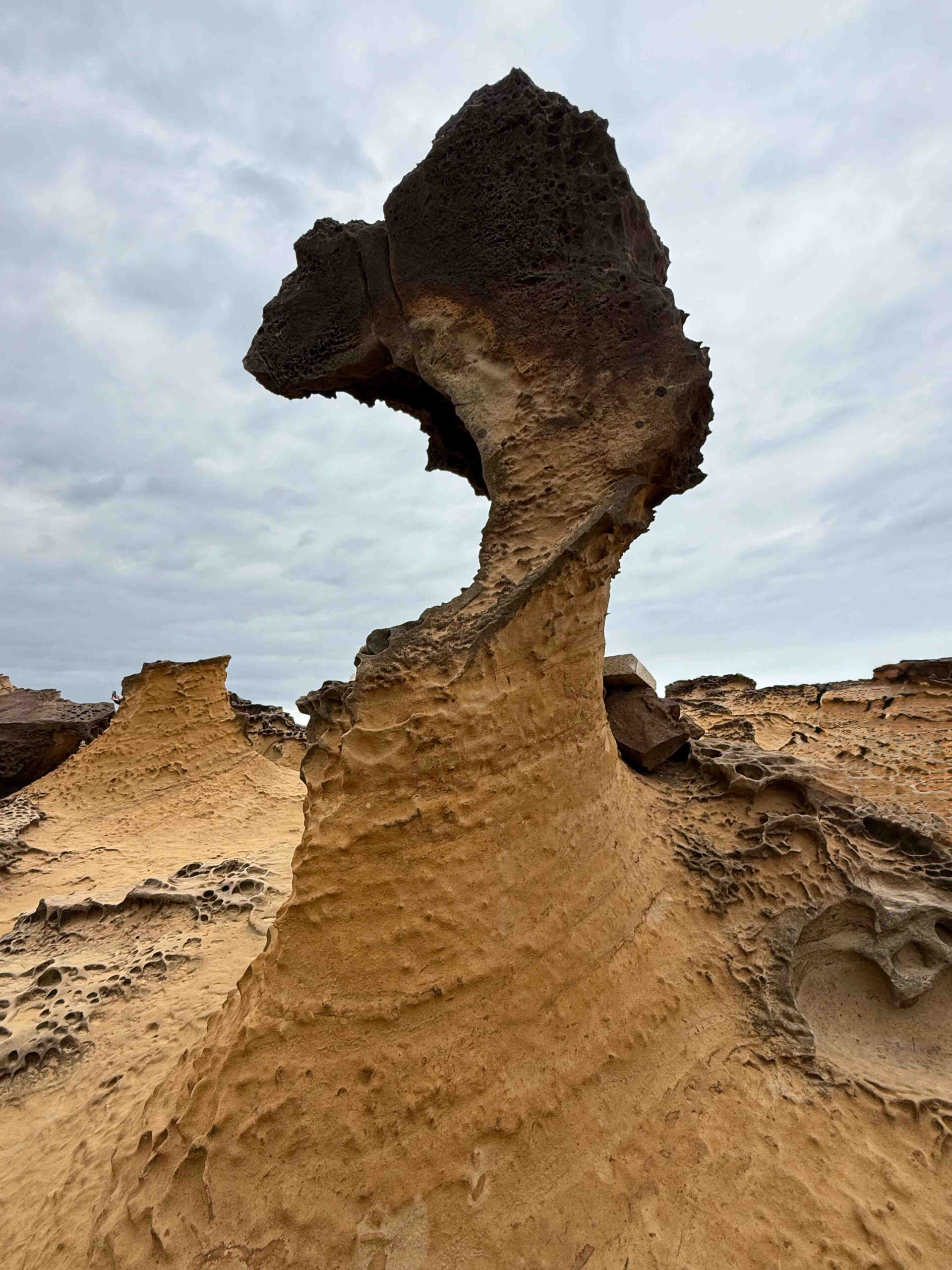
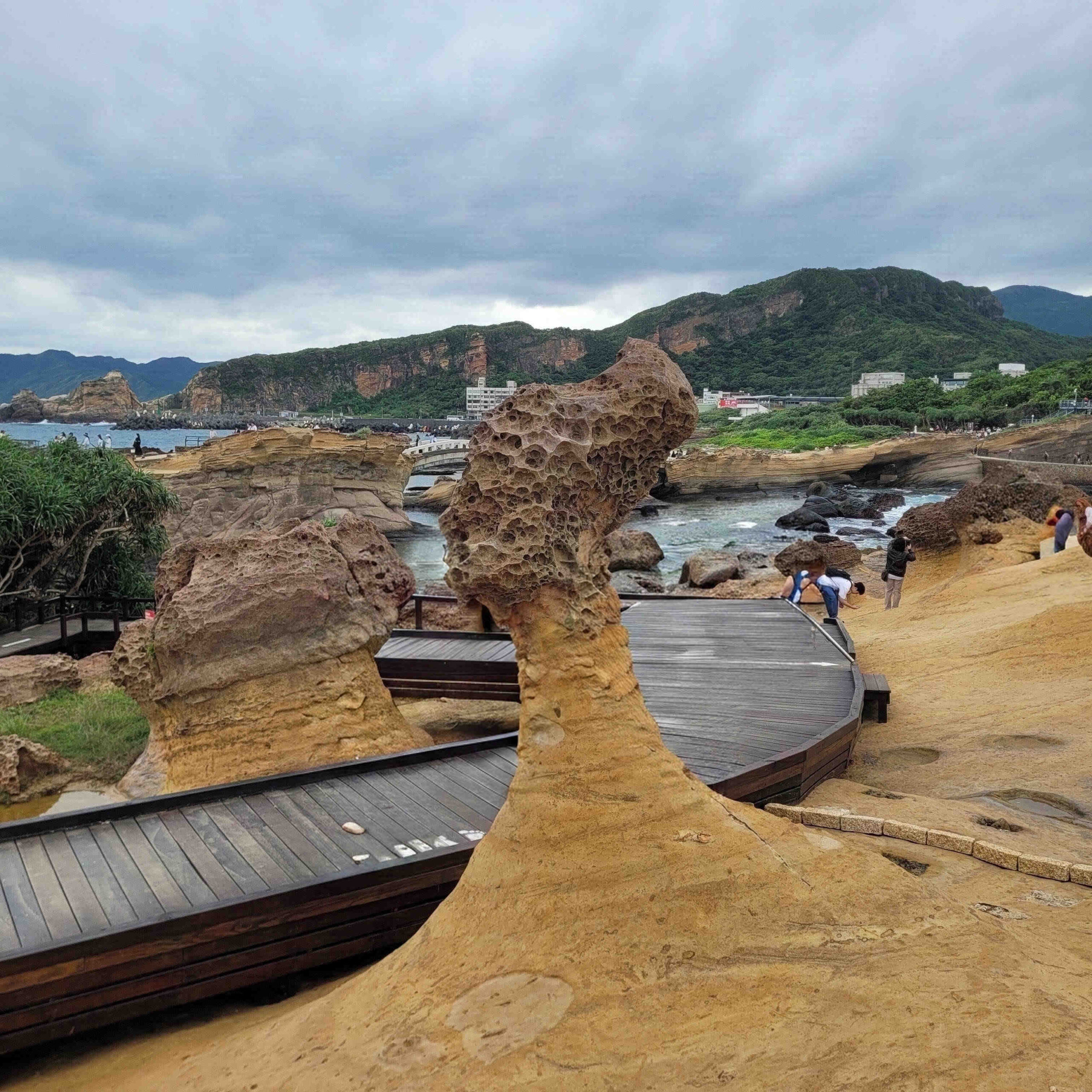
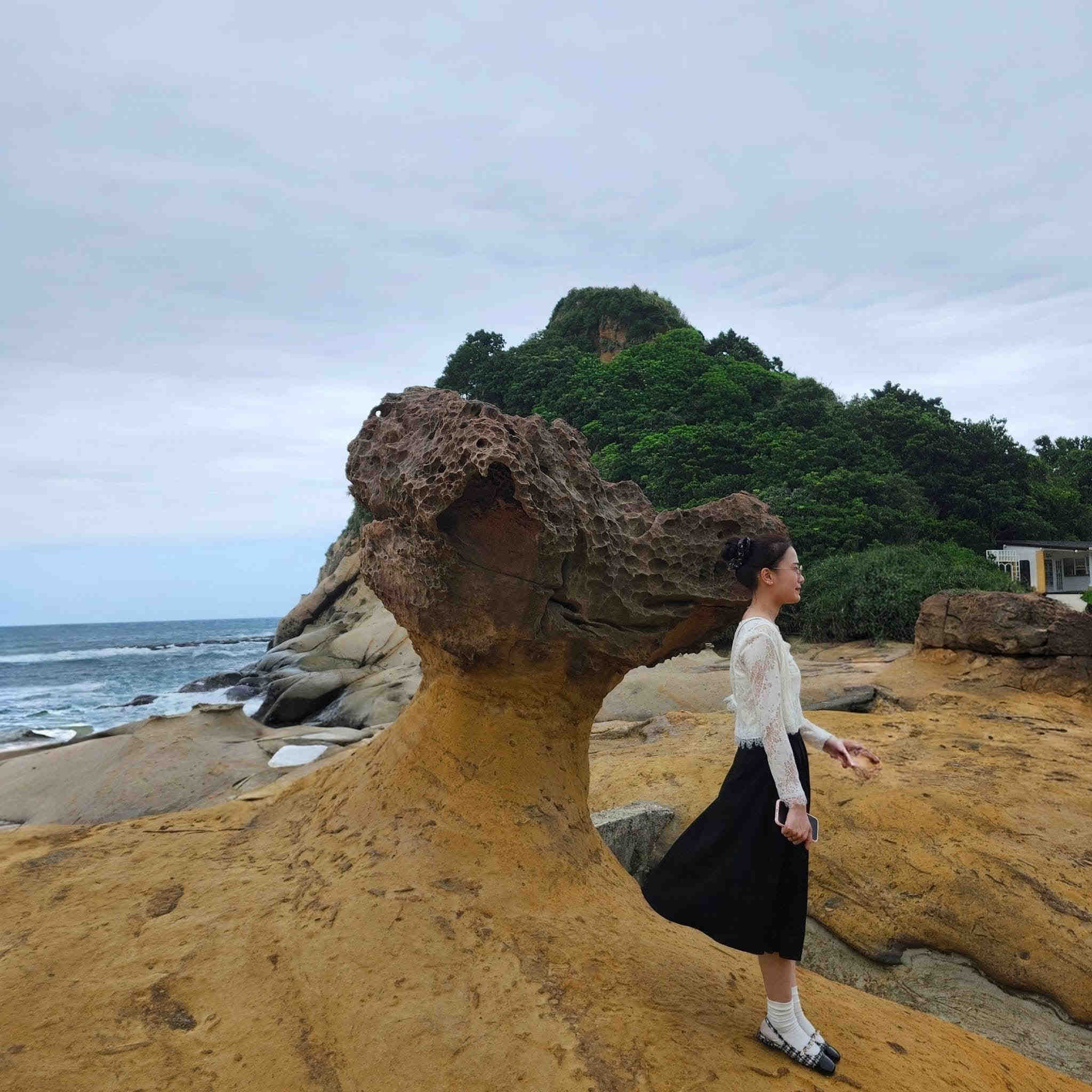
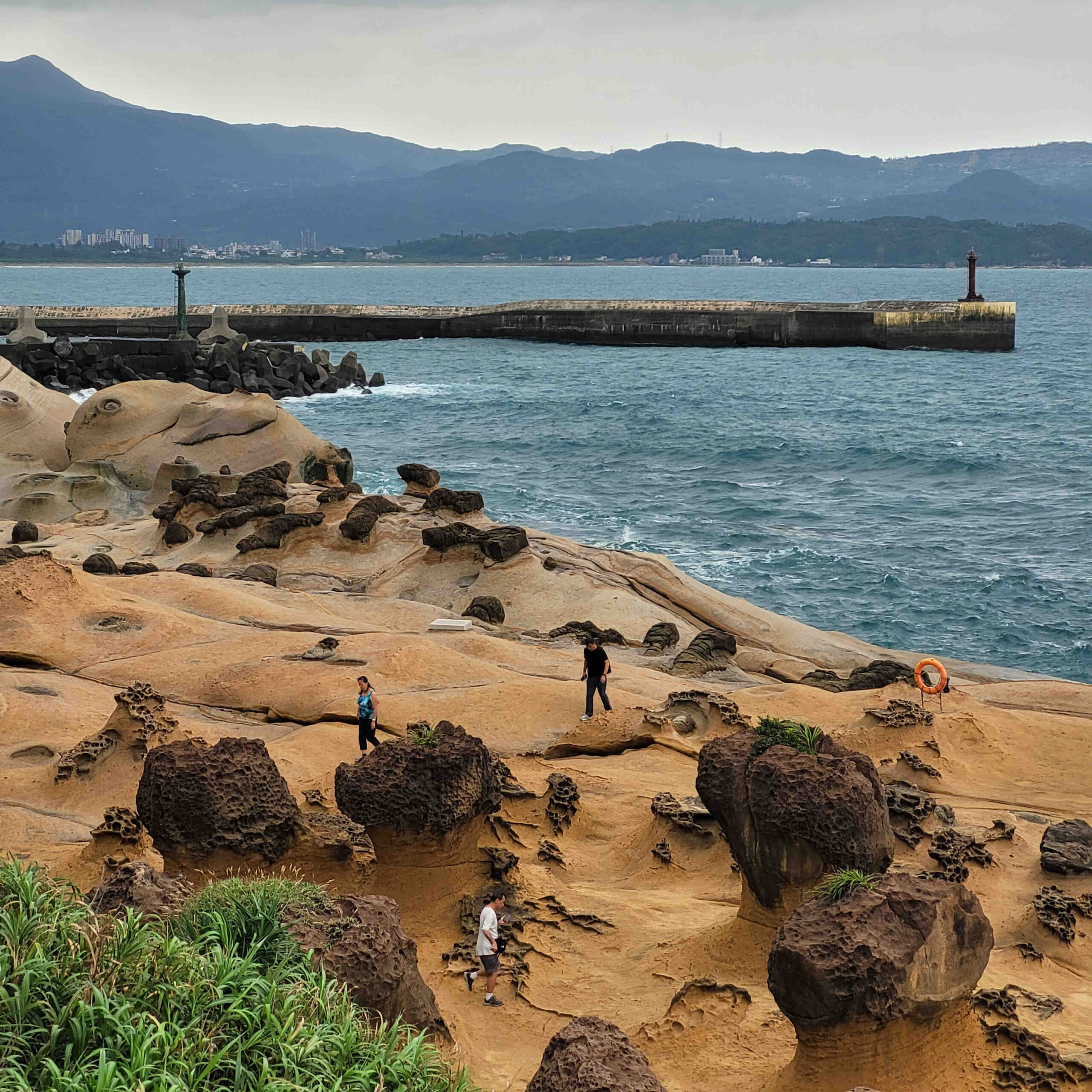
Another big tourist attraction is the Yehliu Geopark, where weird rock formations take on familiar shapes like clouds often do.
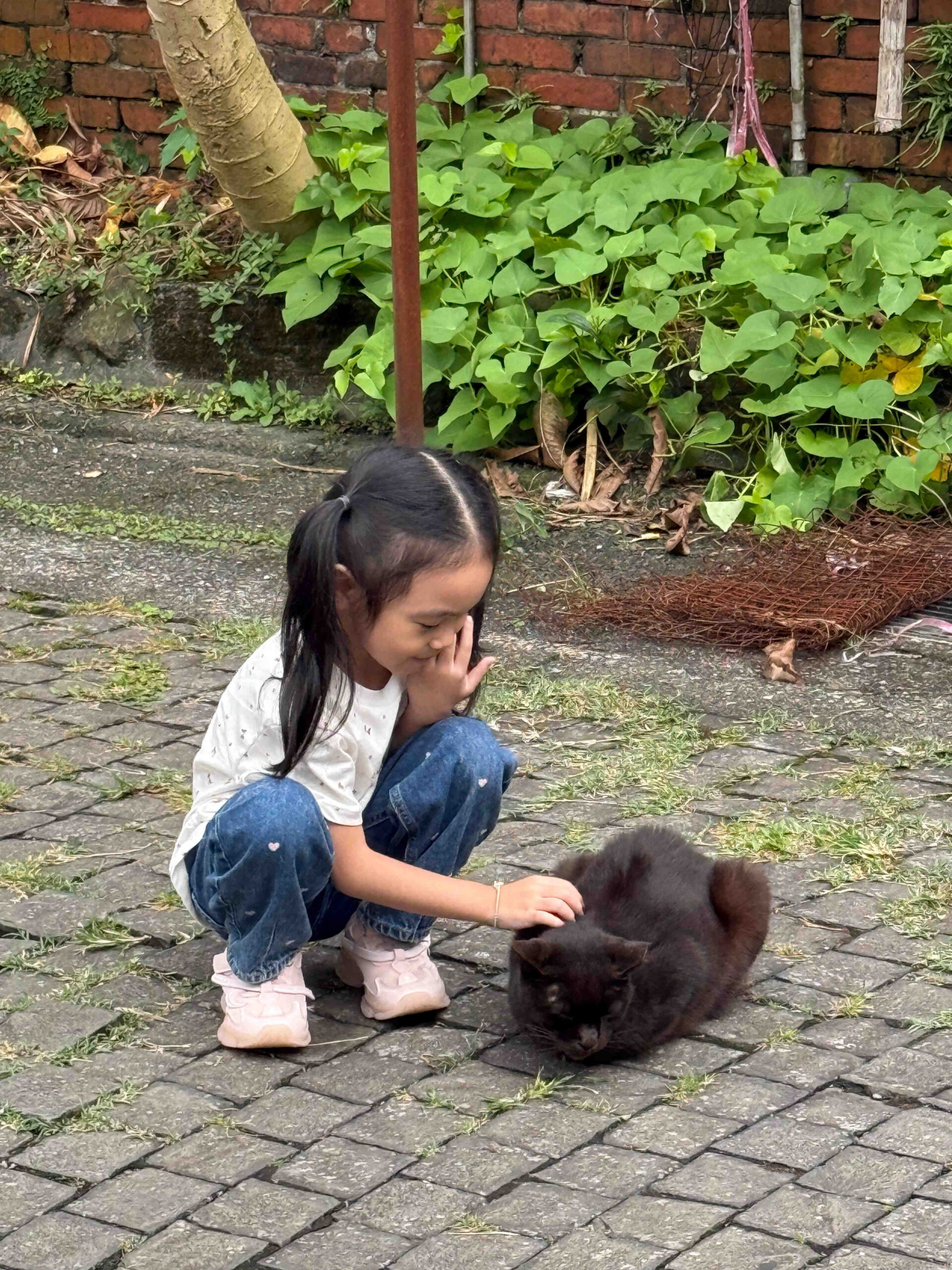
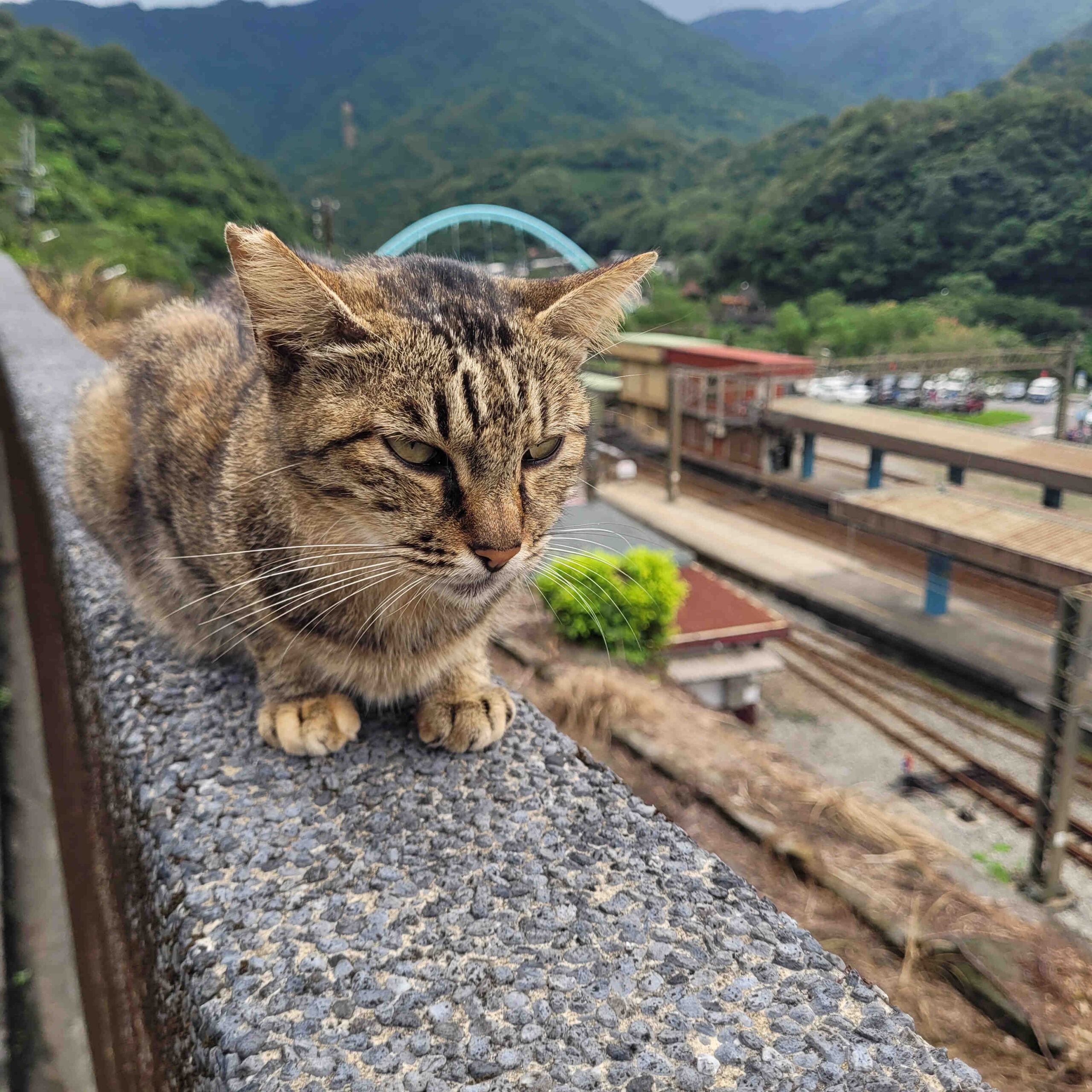
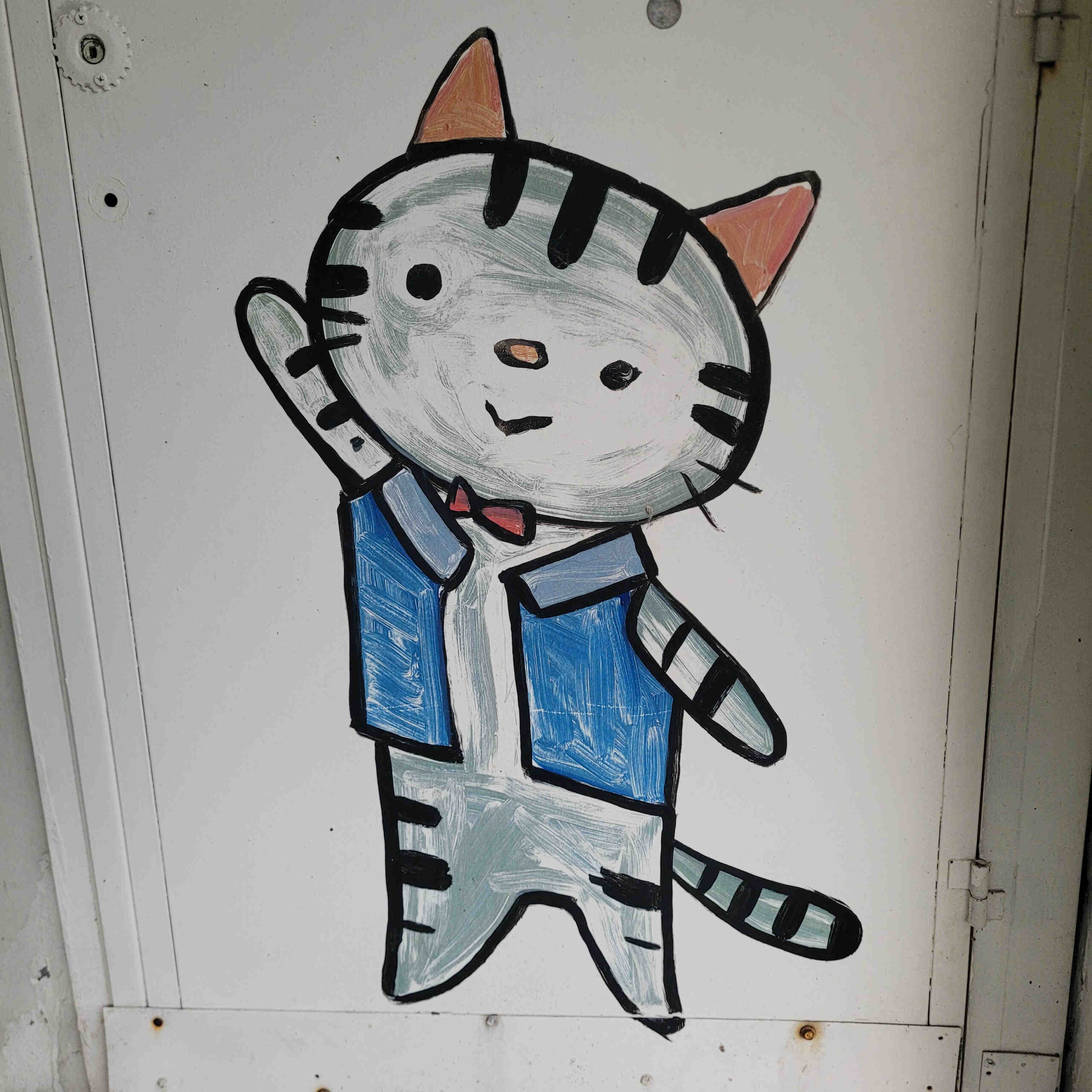
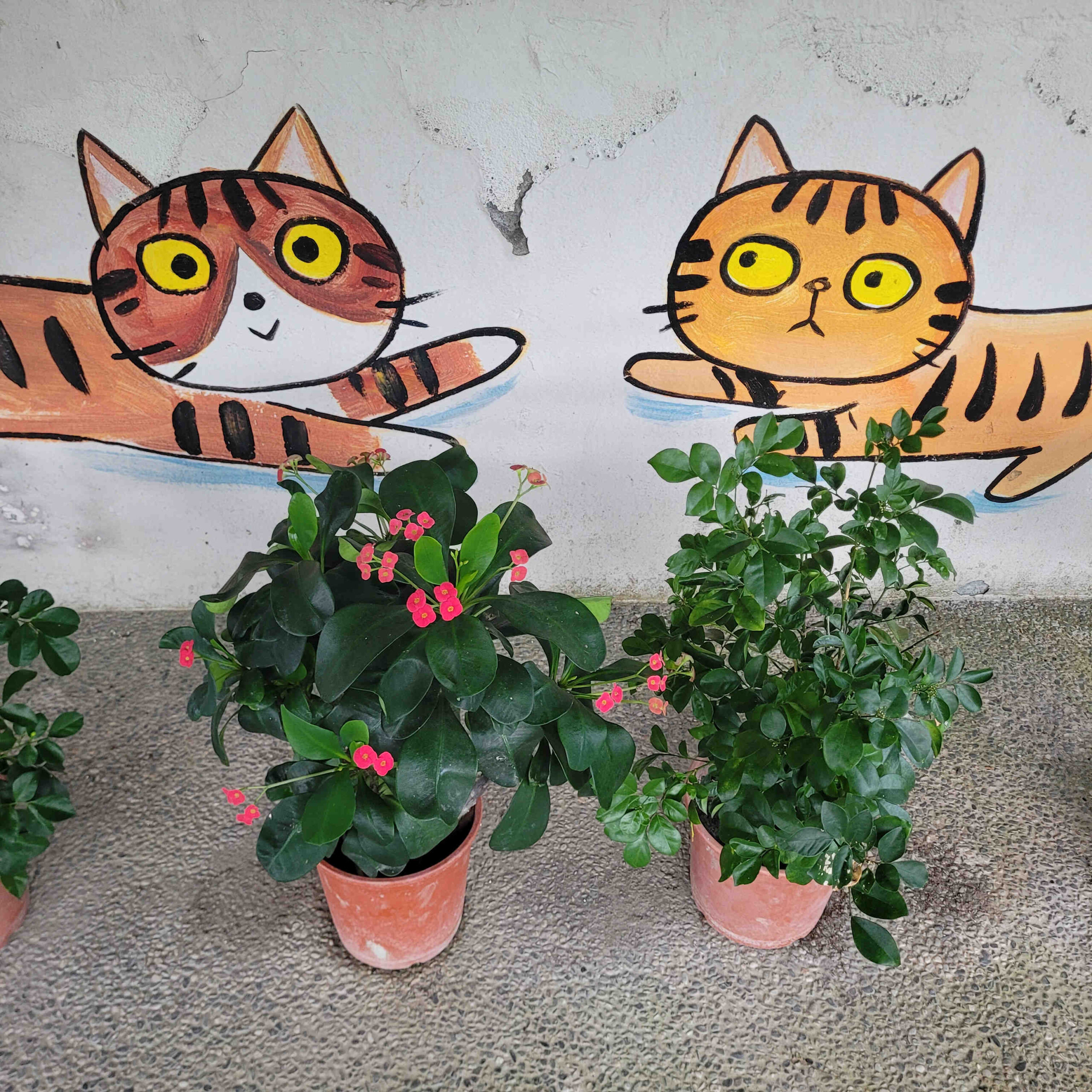
Another fun stop was Houtong, a nearly-abandoned coal mining town where hundreds of cats roam the empty streets.
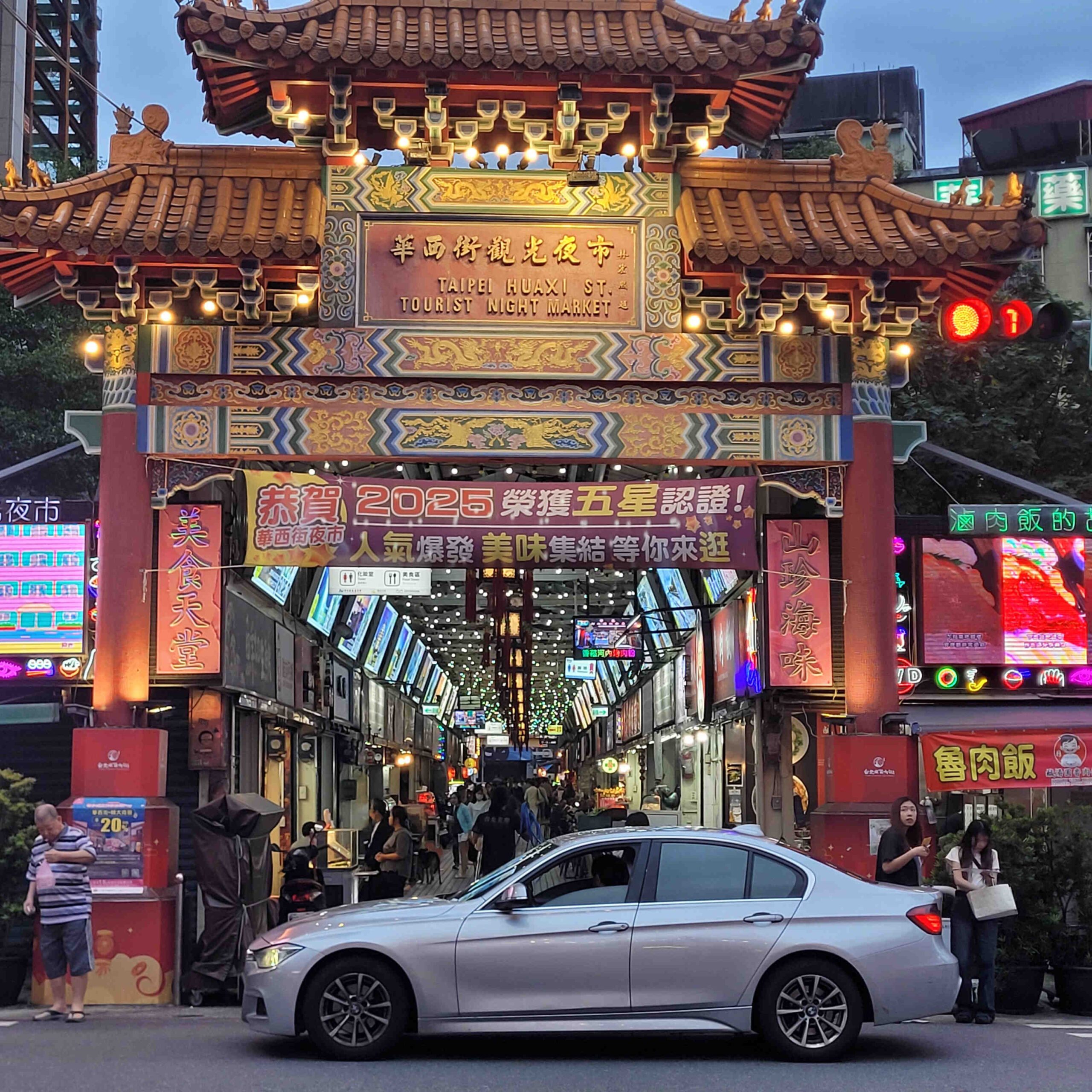
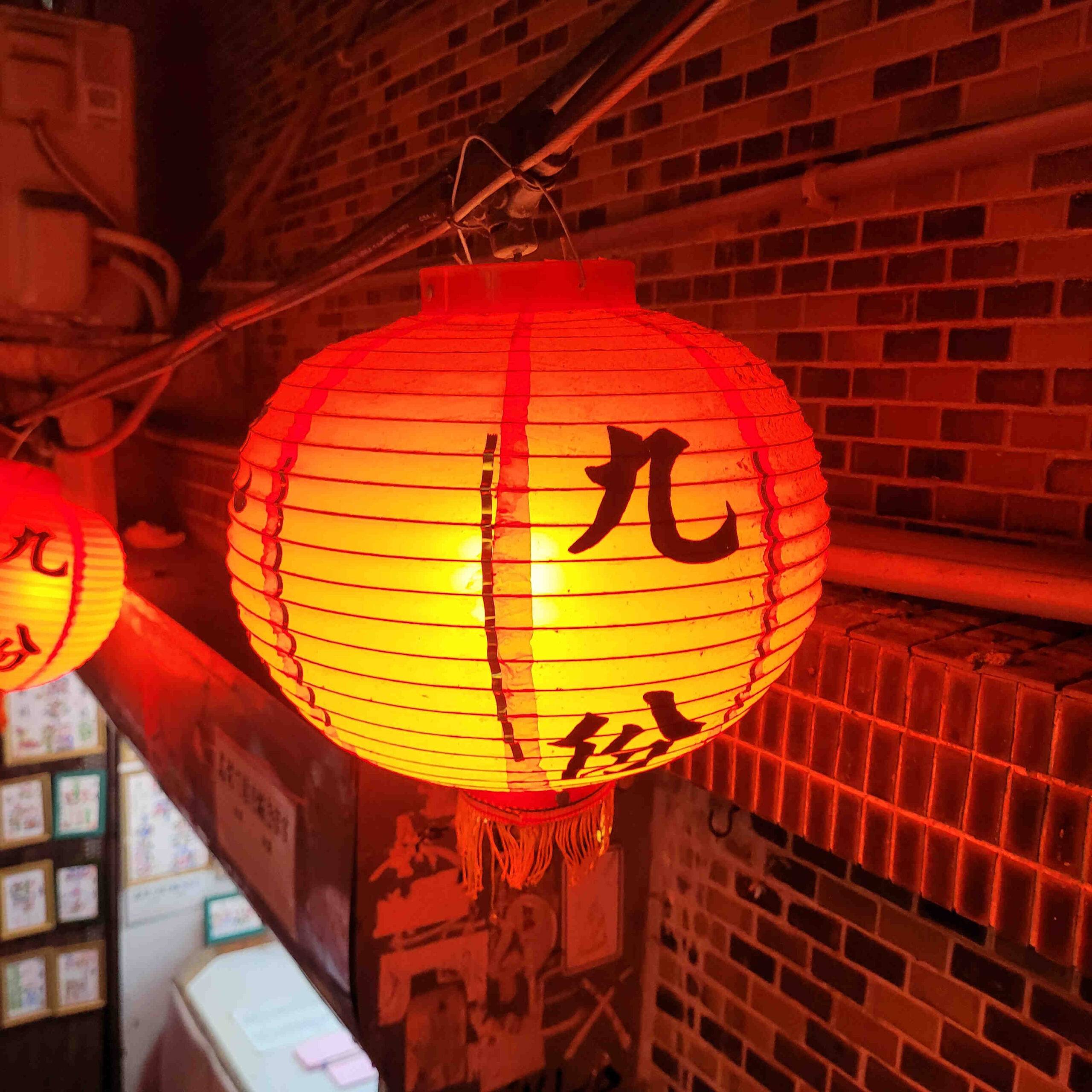
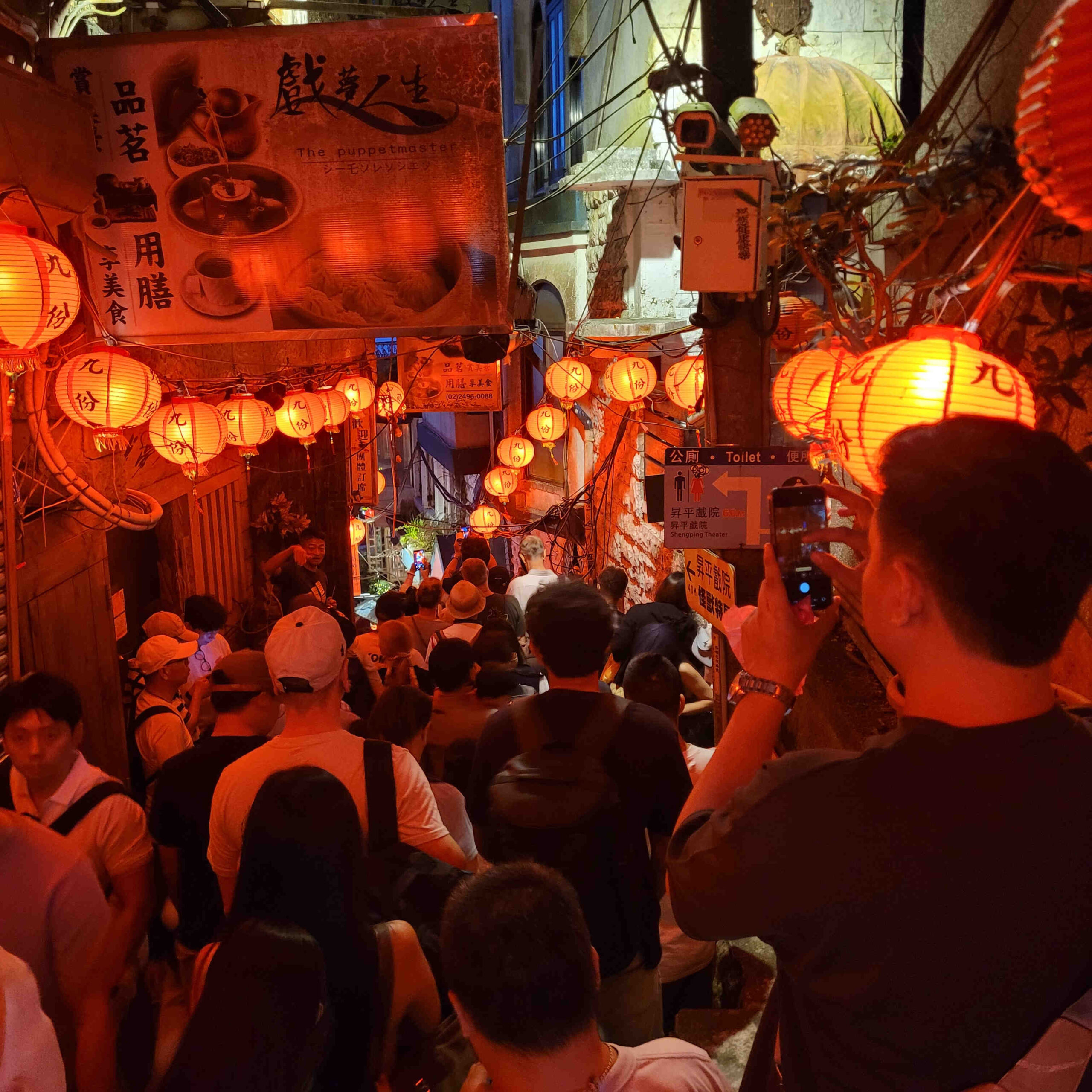
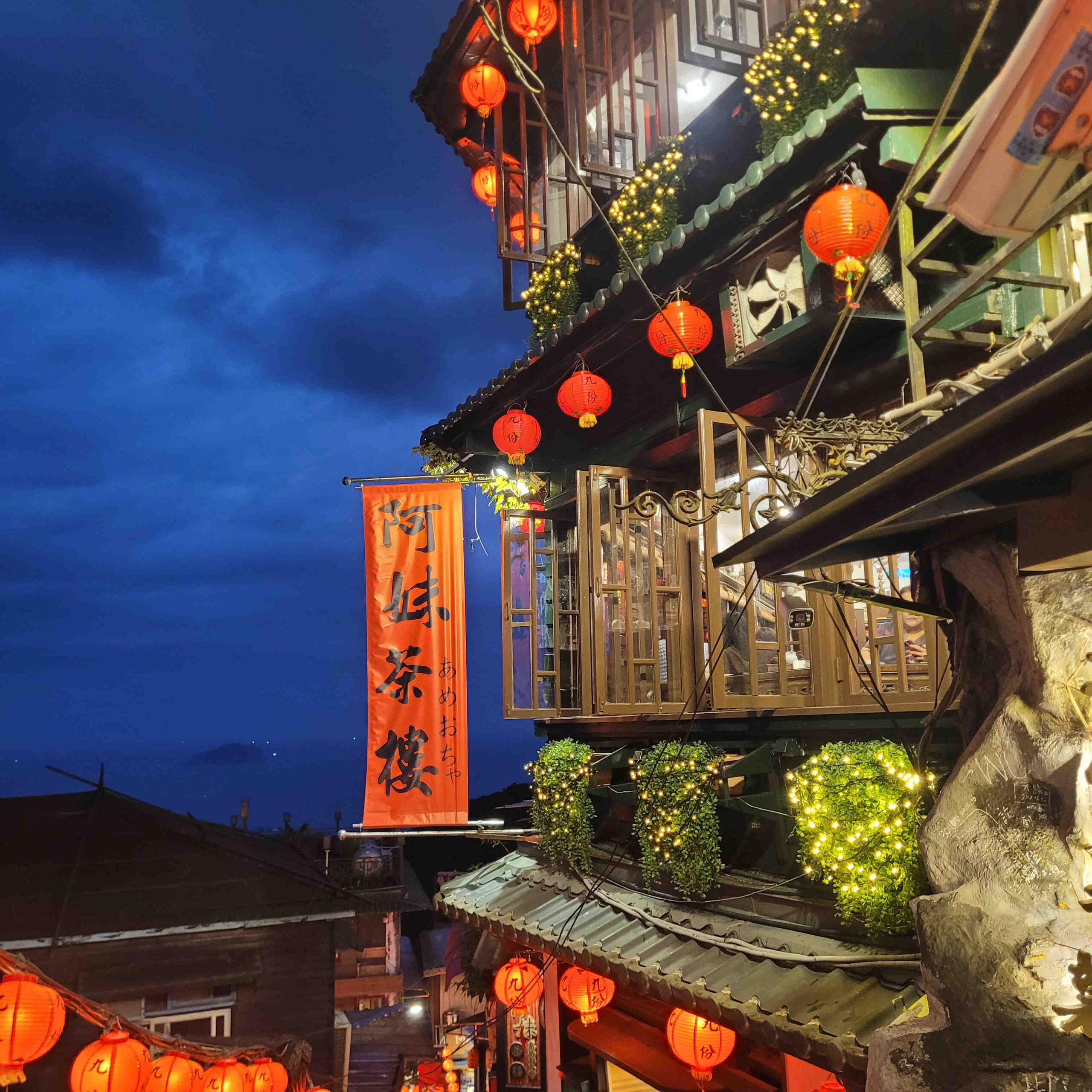
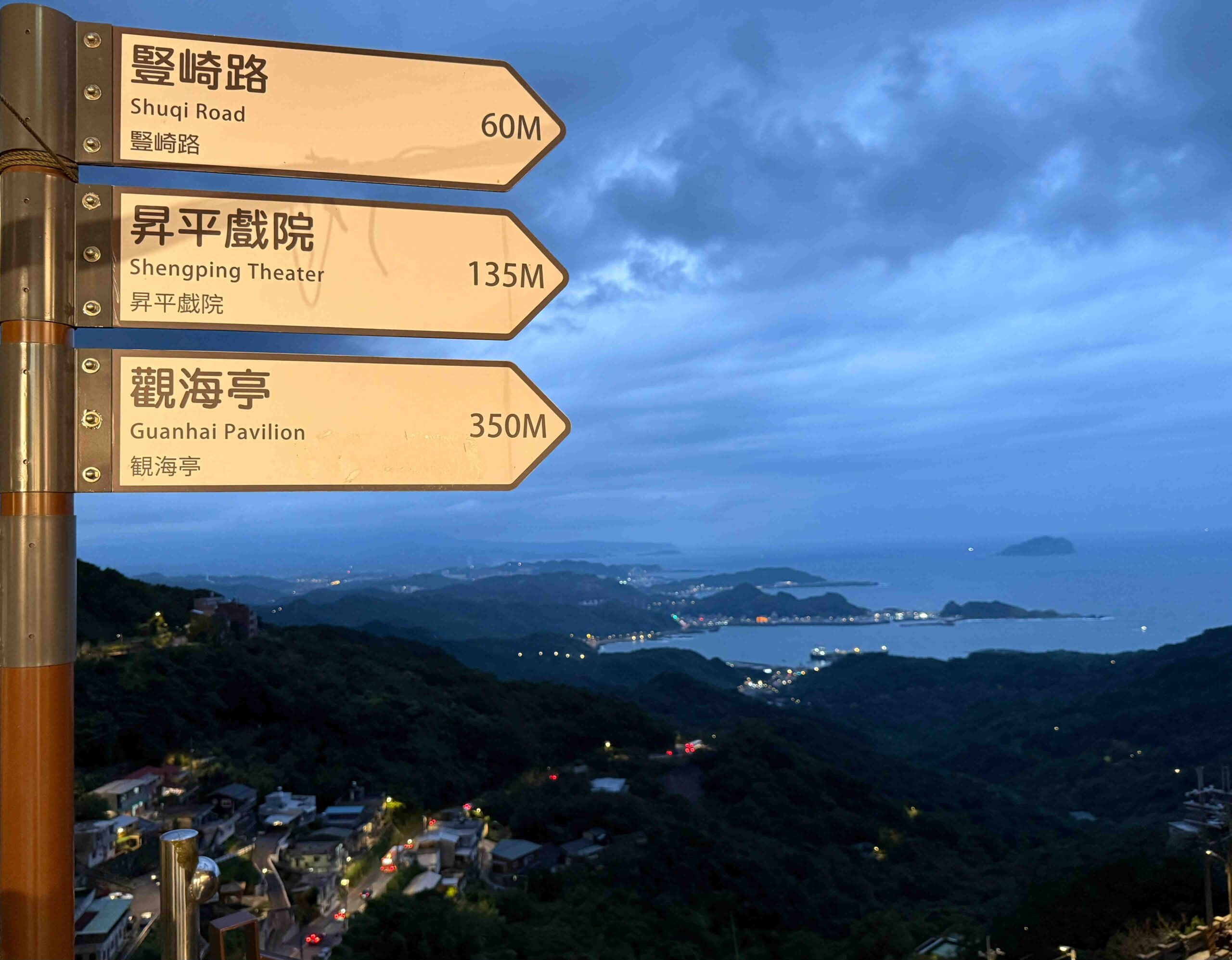
No visit to Taipei would be complete without a stroll through the Old Street in Jiufen. It’s packed with tourists but that’s part of the charm.
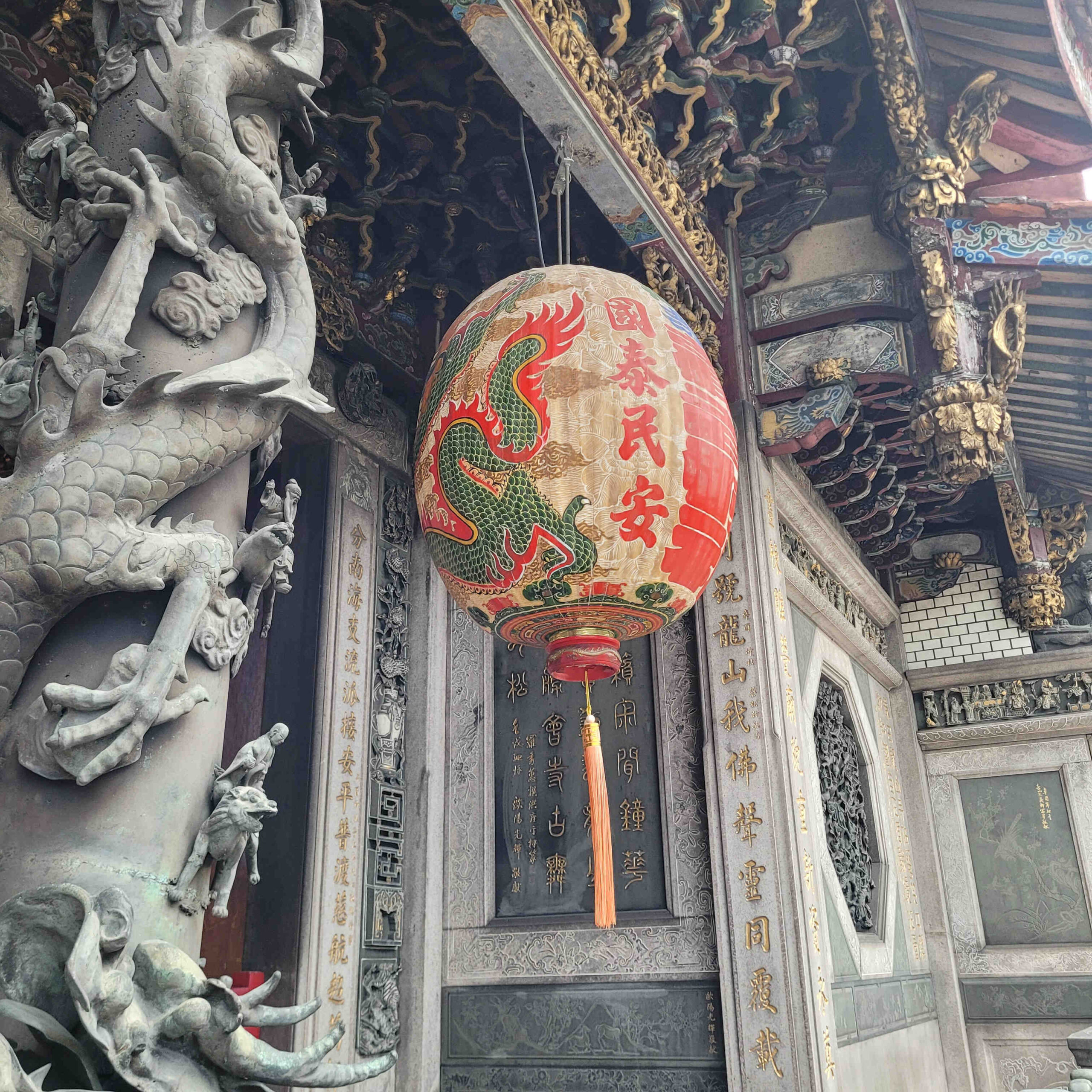
Taipei is a fascinating contradiction of old and new, tradition and modernity. It has deep ties to China and an equally deep fear of being taken over by China. It’s loaded with new money, thanks to the semiconductor industry, and yet parts of it look lost in an economy from an earlier time. It’s the perfect starting point (and ending point) of a longer journey like ours around the island of Taiwan.


Taiwan looks like a place I would love to visit.